Breathing Air Quality Testing for Air Compressors
Is your compressed air system providing clean, safe breathing air for workers? The air flowing through your compressors could contain dangerous contaminants which may be present in a workplace atmosphere, putting your team at risk. This is not just a compliance issue; it's a fundamental part of ensuring a safe working environment by the application of risk assessment and regular testing.
Control Gear's Breathing Air Quality Testing for Air Compressors
Regular breathing air testing is not just a regulatory requirement - it's essential for protecting lives, preventing equipment damage, and avoiding costly penalties.
Control Gear delivers fast, accurate, and quality-assured breathing air quality testing for air compressors to help you meet your legal obligations.
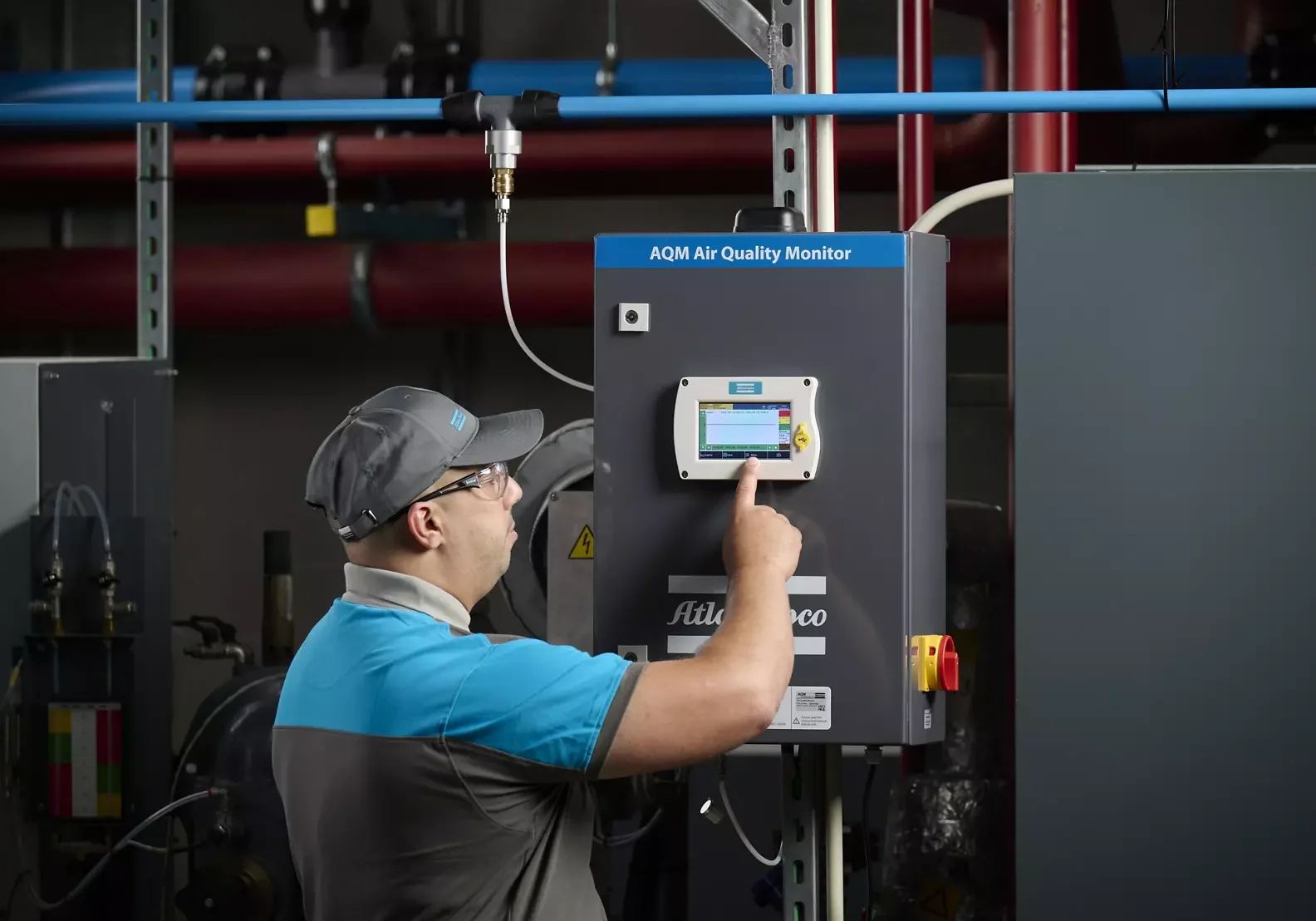
Why Breathing Air Testing Matters
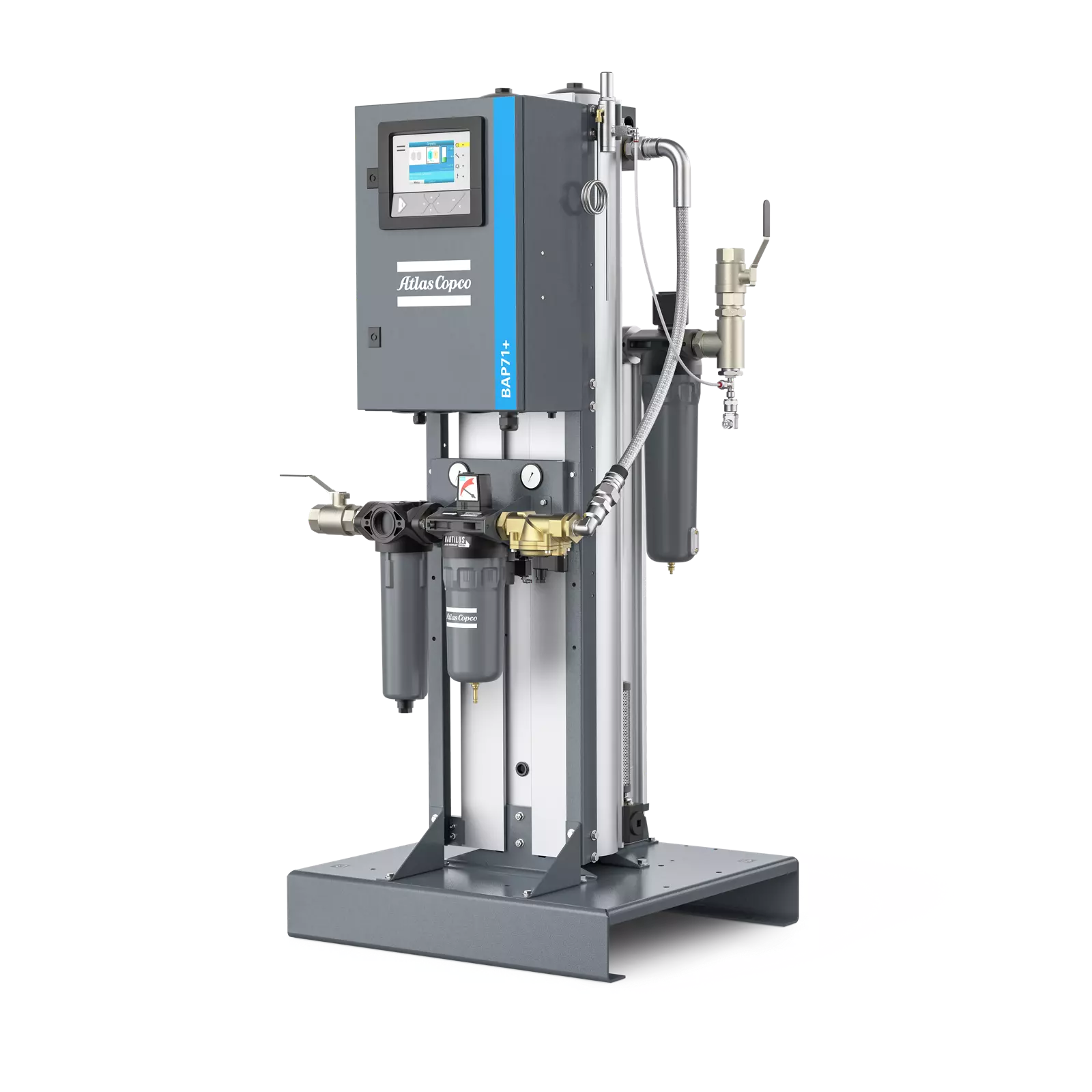
- Worker Safety: Contaminated breathing air can cause immediate health problems and long-term diseases. Regulations state that air for breathing shall not contain contaminants at a concentration that can cause toxic or harmful effects or exceeds exposure limits for a defined list of contaminants.
- Legal Requirements: In the UK, employers have a duty to protect their staff. UK regulations (BS EN 12021:2014) mandate regular air testing to ensure compliance. The Control of Substances Hazardous to Health (COSHH) Regulations 2002 are the core mandate, identifying the maximum exposure limits for harmful substances. These limits are now identified by the single term 'Workplace Exposure Limits' (WELs), published annually under the identity EH40. For any contaminants not otherwise listed, their concentration shall be less than one tenth of a national 8-hour exposure limit. Contaminants must be kept to as low a level as possible and shall not be present at a concentration which can cause toxic or harmful effects.
- Business Protection: Proper testing ensures the quality of compressed air, prevents equipment damage, reduces downtime, and avoids penalties
- Cost Efficiency: Regular compressed air quality testing is more affordable than dealing with health incidents or equipment failure.
- Peace of Mind: Knowing your compressed breathing air meets safety standards provides confidence for both employers and employees.
The Hidden Dangers in Compressed Air Systems
Many people don’t realise that compressed gas for breathing isn’t automatically safe. Your system might be pushing out invisible contaminants, which may cause toxic or harmful effects, harming or even killing workers. Regulations require UK employers to conduct breathing air quality tests to ensure a safe working environment.
According to the British Safety Council, respiratory protective equipment-related incidents cause approximately 15 workplace fatalities each year in the UK, with many more suffering serious health complications from contaminated air exposure.
‘The quality of breathing air supplied by compressors is often overlooked until something goes wrong — and by then, it is too late.’ Control Gear
Understanding the Contaminants: Risks and Regulatory Limits
Compressed gas for breathing isn't automatically safe. The compression process concentrates ambient pollutants, and the system itself can introduce contaminants. The UK's BS EN 12021:2014 standard is the definitive technical standard that specifies the required purity. Below is a list of contaminants which may be present and their legal limits.
| Contaminant | Symbol | Maximum Permissible Level | Key Requirement Notes |
|---|---|---|---|
| Oxygen | O₂ | 21% ± 1% | Must be maintained within this narrow band to support life without creating an enrichment hazard. |
| Carbon Monoxide | CO | ≤ 5 ppm | Must be kept as low as possible. Lethal poison from exhaust fumes or overheated oil. |
| Carbon Dioxide | CO₂ | ≤ 500 ppm | Prevents symptoms of hypercapnia (dizziness, confusion). |
| Oil (Mist & Vapour) | – | ≤ 0.5 mg/m³ | Applies to both aerosols and vapours from compressor lubricants, which can cause lipoid pneumonia. |
| Water Vapour | H₂O | Varies | Air’s pressure dew point must be low enough to prevent condensation and freezing in equipment. |
| Odour / Taste | – | No significant odour or taste | A subjective check for other unlisted contaminants. |
The "Silent Killer": Carbon Monoxide (CO)
Source: The most lethal threat. Primarily from the thermal breakdown (combustion) of lubricating oil in an overheating compressor or from the intake drawing in external exhaust fumes (e.g., a vehicle).
Health Effect: CO is a highly poisonous, odourless gas that binds to haemoglobin, starving the body of oxygen. Even low levels can cause headaches and dizziness; high concentrations lead to collapse, coma, and death.
Respiratory Danger: Oil Mist & Vapour
Source: Lubricating oils from within the compressor system. Worn seals or overheating can carry oil into the airstream as a fine mist (aerosol) or a gas (vapour).
Health Effect: When inhaled, oil droplets coat the lungs, causing inflammation and impeding oxygen transfer (lipoid pneumonia). Chronic exposure is linked to serious respiratory diseases.
The System Killer: Water Vapour (H2O)
Source: Naturally present in ambient air and highly concentrated during compression.
Health Effect: The danger is twofold. First, it creates a corrosive environment inside pipes, leading to rust (particulates). Second, in cold conditions, moisture can freeze in RPE valves, causing a total blockage of airflow to the user.
The Asphyxiation Risk: Carbon Dioxide (CO2)
Source: Can be drawn into the intake if it's poorly sited near exhaust vents or in poorly ventilated areas where CO2 builds up.
Health Effect: While a natural part of the air, high concentrations act as an asphyxiant by displacing oxygen, causing rapid breathing, headaches, and confusion.
Why Regular Breathing Air Quality Testing Is Non-Negotiable

1. Health and Safety Comes First
Workers using respiratory protective equipment connected to compressed air systems literally put their lives in your hands. Research published in the Journal of Occupational Health shows that even brief exposure to contaminated air can cause:
- Immediate symptoms: Headaches, dizziness, nausea.
- Short-term health issues: Respiratory irritation, decreased cognitive function.
- Long-term concerns: Chronic lung disease, neurological damage.
Regulations stipulate that breathing air shall have a dew point sufficiently low to prevent condensation and freezing, and contaminants shall be kept within specified levels to ensure a safe working environment.
2. Legal Requirements You Can't Ignore
The legal framework for breathing air quality is comprehensive, stemming from the Health and Safety at Work etc. Act 1974. The primary regulations you must follow include:
- BS EN 12021:2014: Sets specific limits for contaminants in compressed gases for breathing apparatus.
- HSE Guidelines: HSE guidance document HSG53, Respiratory Equipment at Work, provides the practical 'how-to' for compliance and mandates that testing frequency must be determined by a formal application of risk assessment.
- COSHH 2002: As the core mandate, these regulations require you to assess risks, control exposure, and maintain safety equipment. All aspects related to COSHH must be documented.
- Pressure Systems Safety Regulations 2000 (PSSR): This governs the safety of the compressor and air receiver itself, requiring a Written Scheme of Examination.
- ISO 8573: Classifies air purity levels for different applications.
Failing to meet these standards can result in:
- Fines up to £20,000 per violation.
- Potential criminal charges for negligence.
- Site shutdowns until compliance is achieved.
- Increased insurance premiums.
3. Protecting Your Equipment Investment
Poor air quality doesn’t just harm people - it damages your equipment too. A study by the British Compressed Air Society found that:
- Systems with properly tested air quality last 30-40% longer.
- Maintenance costs decrease by up to 25% with regular testing.
- Filter replacement frequency drops significantly when air quality is monitored.
Industries That Need Regular Compressed Air Testing
Several sectors rely on absolutely pure gas for breathing:
- Chemical Manufacturing: For work in hazardous environments.
- Pharmaceutical Production: For clean room operations where air can be a contamination vector.
- Oil & Gas: For confined space entry work.
- Automotive Paint Spraying: A high-risk sector where workers are exposed to isocyanates, requiring monthly testing as per HSE guidance.
- Abrasive Blasting: Operations that create dense dust clouds (e.g., grit blasting), requiring sealed helmets with a dedicated clean air supply.
- Healthcare, Diving, and Fire & Rescue: All critical life-support applications where the purity of the breathing air they supply is non-negotiable.
How Often Should You Test Your Breathing Air?
The frequency depends on your specific industry and usage, and a formal risk assessment should determine the exact schedule. but generally: HSE guidance (HSG53) states that the frequency of such tests must take place at least every three months.
- This frequency must be increased if there is any reason to doubt that the air quality can be consistently assured.
- Monthly testing: Recommended for high-risk environments (e.g., paint spraying).
- After maintenance: Any time the system is opened or modified.
- When location changes: If mobile breathing-air compressors are moved to new environments.
According to data from the BCAS (British Compressed Air Society), facilities that implement air testing at least every three months reduce workplace air-related incidents by 87% compared to those testing annually.
The Testing Process: What to Expect
Our comprehensive breathing air testing follows a proven four-step process:
1. Site Assessment
- Evaluate your entire compressed air system
- Identify potential contamination sources (e.g., intake location, dryer performance).
- Map testing points for comprehensive coverage
2. Sample Collection and Testing
- Use specialised equipment to capture air samples
- Analyse for all regulated contaminants to BS EN 12021 standards.
- Compare results against current standards
3. Compliance Reporting
- Provide detailed documentation of all findings
- Indicate pass/fail status for each contaminant
- Document certification for regulatory compliance and HSE audits.
4. Recommendations and Support
- Suggest specific improvements if needed
- Implement regular testing schedules
- Offer monitoring solutions for continuous protection
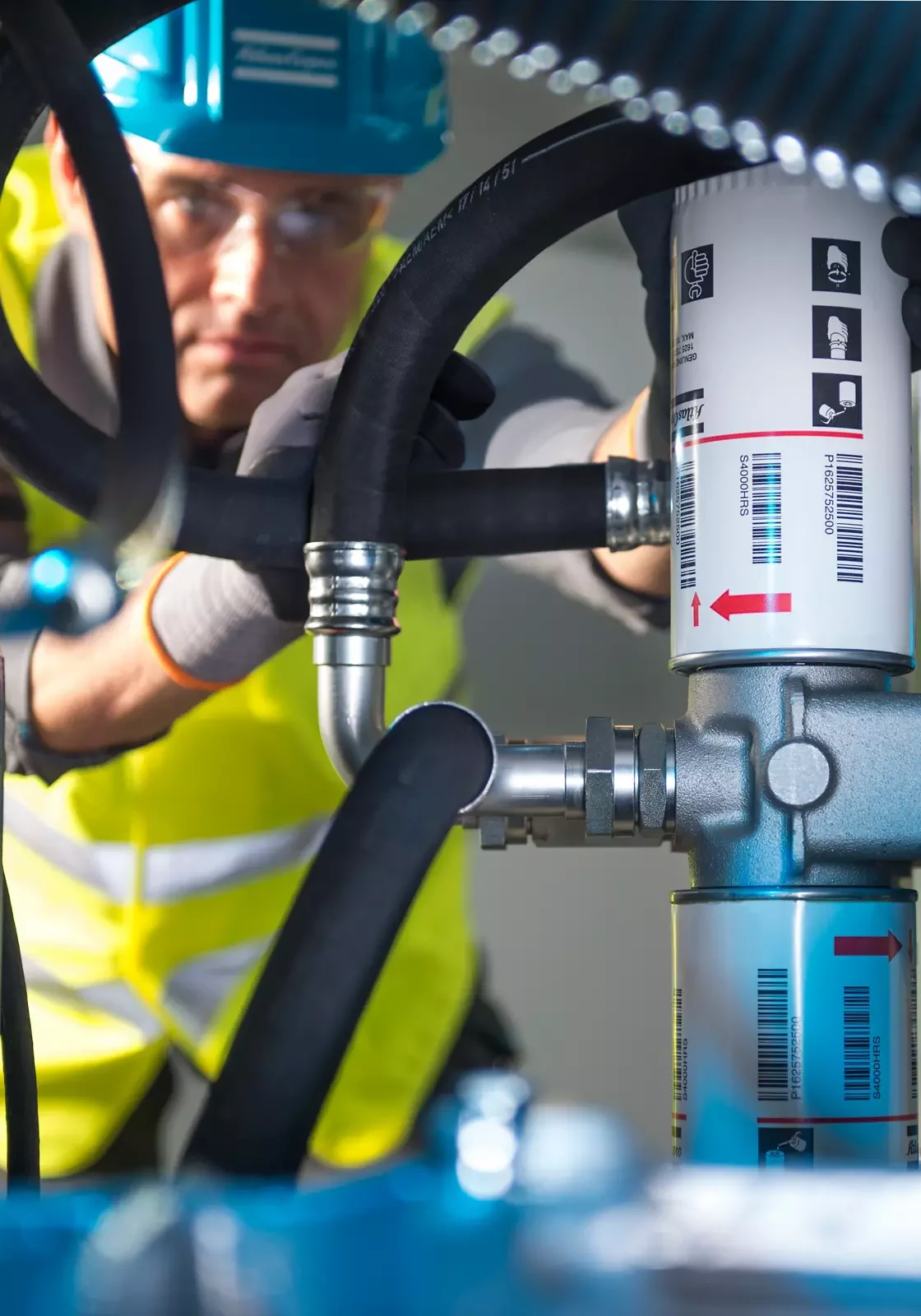
The Importance of "Point-of-Use" Sampling
A common failure in testing is sampling air directly from the compressor or receiver. This is incorrect. To be compliant, the sample must be taken from the point of use (i.e., where the operator connects their mask). This is the only way to account for contaminants introduced by the distribution pipework, such as rust, scale, or impurities drawn in through leaks.
Cost vs Benefit: Why Testing Makes Financial Sense
Some businesses hesitate to invest in regular air testing, but consider the cost comparisons below.
| Average quarterly testing program £800–£1,200 per year |
|
As these figures from the HSE and insurance industry data show, prevention is dramatically more cost-effective than dealing with the consequences of poor air quality.
Warning Signs That Breathing Air May Need Testing
Do not wait for scheduled testing if you notice:
- Workers reporting unusual odours in the air supply
- Increased moisture in the system
- Unexpected filter discoloration
- Unusual compressor noise or performance
- Oil spots anywhere in the system
- Worker complaints of headaches or respiratory issues
Our Certified Quality Assurance
At Control Gear, our air testing services are backed by:
- ISO 9001, 14001, and 45001 accreditations.
- FGAS certified engineers.
- Specialised testing equipment calibrated to current standards.
- Comprehensive knowledge of UK and international regulations, including aspects related to COSHH and BS EN 12021:2014.
Frequently Asked Questions
What happens if my air fails the quality test?
We provide a full diagnostic service. First, the air supply must be tagged and taken out of service. We will then help you trace the source of the contamination (e.g., high CO from an overheating compressor, high water from a failed dryer) and recommend a clear remedial action plan. After the fixes are implemented, we will re-test to provide a Certificate of Compliance.
Can I perform air quality testing myself?
While simple moisture tests can be done in-house, proper contaminant testing requires special air quality testing equipment and trained technicians to ensure that the breathing air results stand up to regulatory scrutiny.
How quickly can you perform testing?
For most customers in South Wales and the West (including the Cardiff, Newport, Swansea, Bristol, Stroud, and Swindon areas), we can schedule compressed air testing within 3–5 business days.
Do you provide emergency testing services?
Yes. We conduct breathing air quality tests for critical situations with same-day service when possible.
What air treatment system do I need?
To meet BS EN 12021 standards, a simple standard air compressor is not enough. You need a full purification system. This typically includes: 1) A particulate filter, 2) A coalescing filter (for oil/water aerosols), 3) An activated carbon filter (for oil vapours/odours), and 4) An air dryer (desiccant dryers are required to meet low-temperature dew points).
Take Action Today
Don’t gamble with worker safety or regulatory compliance. Schedule your comprehensive breathing air testing today by calling us at 01443 843126 or book online.
Our team services the entire South Wales and West region, with no hidden costs and flexible scheduling to minimise disruption to your compressed air supply and operations.
Why Work With Us?
What Our Clients Say
"Control Gear's breathing air testing service prevented a shutdown. They fixed our air quality issues and their quarterly testing schedule means our workers are protected. Their reports make compliance easy."
Operations Director, Cardiff Marine Engineering
"We've used Control Gear for our quarterly breathing air testing for 3 years. Their service is thorough, their technicians know their stuff and they don't upsell. Their fixed price service and reminder system mean we're always compliant."
Health & Safety Manager, Swansea Chemical Processing