
Leak Detection for Air Compressors
Serving customers throughout South Wales and the West, including Cardiff, Newport, Swansea, Bristol, Stroud, and Swindon, our certified technicians use the latest technology to find air leakage problems and help identify air leaks within compressed air systems.
Contact us today to speak to our experts about leak detection for air compressors. Our team is ready to help you stop wasting energy and resources and start saving money.

Benefits of Our Acoustic Leak Detection Services
Did you know that up to 30% of total compressed air is lost through leaks in the average industrial system? The good news is that we can find and fix leaks, improve efficiency, and cut operational costs. Stopping leaks is one of the fastest ways to improve your bottom line.
Improved Energy Efficiency
- Typical facilities save 15–30% on compressed air energy costs, a significant figure given today's energy costs.
- Reduced load on existing compressors
- Potential to avoid costly equipment upgrades
Lower Maintenance and Operating Costs
- Extended compressor lifespan through reduced runtime and less strain on your compressor control system.
- Fewer emergency repairs and unexpected failures
- Decreased wear on system components
Enhanced Equipment Performance
- Stable system pressure improves tool and machine function. This ensures your air tools perform at their peak, and also pressure drops are minimised.
- More consistent air quality for sensitive applications
- Reduced cycle times in production processes
Sustainability and Carbon Reduction
- Measurable decrease in electricity consumption
- Demonstrable progress toward environmental goals
- Support for ISO 50001 energy management initiatives
Preventative Approach
- Identification of potential failure points before they can prevent new leaks from forming
- Leak detection report for maintenance planning and budgeting
- Baseline measurements for ongoing system management
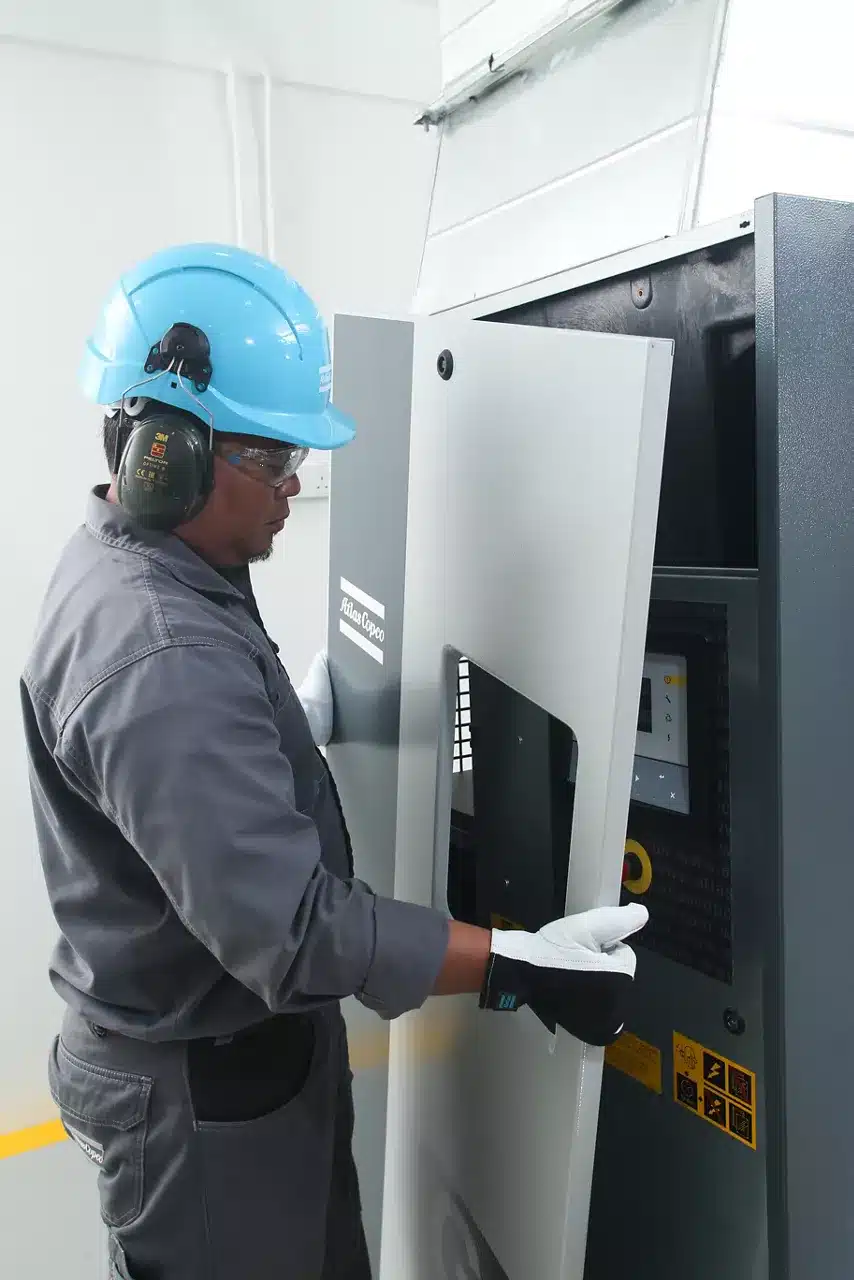
The Hidden Cost: Compressed Air as the "Fourth Utility"
Many businesses meticulously track electricity, gas, and water, but compressed air is the most expensive and least efficient of all. The process is inefficient, and the costs are often hidden in the total electricity bill. This means compressed air can sneak out of your system, draining profits silently. A single 3mm leak, for instance, can cost over £1,250 annually, a significant drain that a professional leak detection audit is designed to find and fix.
Our Ultrasonic Leak Detection Process
A modern ultrasonic leak detector can find leaks that are impossible to hear in an industrial environment with lots of background noise (which often have high-frequency hissing sounds) and identify problems before they cause significant energy waste.
Our comprehensive air compressor leak detection approach combines traditional methods with advanced technology backed by Atlas Copco UK to find even the smallest leaks within the compressed air system.
Step 1: Initial Assessment
Visual and Auditory Inspection
Our trained technicians begin with a thorough examination of your entire distribution system, focusing on common leak points:
- Pipe joints and connections
- Valve stems and packings
- Regulator diaphragms
- Quick-disconnect couplings
- Hose connections and fittings
System Pressure Analysis
We conduct pressure decay testing and other leak detection methods to quantify the overall compressed air leakage rate in your system:
- Measuring pressure drop during non-production periods
- Calculating the percentage of compressor capacity lost to leaks
- Establishing baseline measurements for future comparison

Step 2: Advanced Acoustic Leak Detection Techniques

Ultrasonic Leak Detection
Our primary tool for finding invisible leaks is ultrasonic acoustic detection technology, using an advanced ultrasonic air leak detector which uses a super-sensitive microphone that:
- Detects the high-frequency sound waves (often around 40 kHz) caused by a leak. The acoustic sensor focuses on this signal.
- Works effectively even in noisy industrial environments
- Pinpoints exact leak locations with minimal disruption. This allows us to accurately detect leaks as small as 0.1mm.
- Identifies leaks that would be impossible to find visually
Ultrasonic detection can identify leaks up to 10 times smaller than traditional methods, resulting in 15–20% average energy savings.
Acoustic Imaging: Seeing the Sound
For even faster and more comprehensive surveys, we now use next-generation acoustic imaging cameras. These devices, like the Fluke ii900, use an array of sensitive microphones to create a real-time "sound map." This map is overlaid on a digital image, allowing our technicians to see the precise location of a leak on a screen, making it one of the most effective ways to locate leaks in complex or hard-to-reach areas.
Thermal Imaging and Flow Monitoring
For comprehensive assessments, we employ additional technologies:
- Infrared cameras detect temperature differences at leak sites associated with air leaks
- Flow meters provide real-time measurement of system air consumption
- Pressure transducers identify pressure drops across the system
Step 3: Detailed Reporting and Fix Recommendations
Comprehensive Documentation
Every leak detection audit includes a detailed report containing:
- Precise leak locations marked on system diagrams
- Severity assessment of each identified leak
- Estimated air loss and energy waste calculations
- Digital images of leak sites for easy identification
- Recommended repair methods for each issue. This report is your blueprint for action, showing how identified and fixed leaks can save your business thousands.
Prioritised Action Plan
We help you maximise your maintenance budget by:
- Ranking leaks by severity and repair cost
- Identifying quick-win fixes with immediate payback
- Developing a staged approach to system-wide improvements
- Calculating potential ROI for each recommended repair
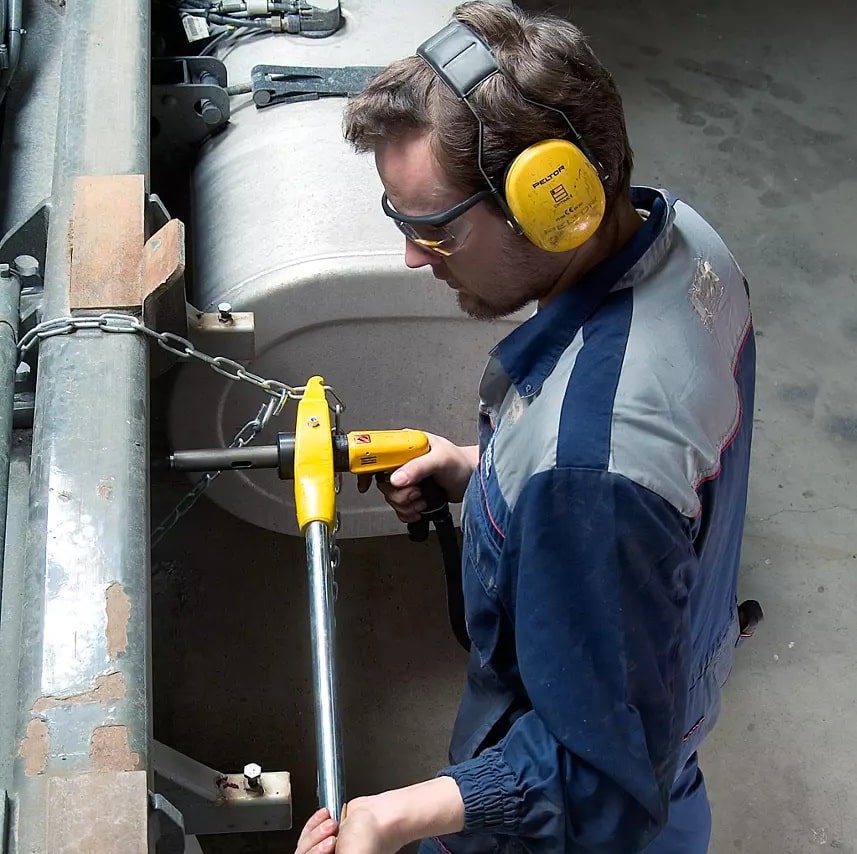
Common Causes of Compressed Air Leaks
Most leaks occur at connection points and ageing components. Regular inspection of these high-risk areas can prevent small problems from becoming costly ones.
Understanding where and why leaks occur helps you take preventative action before they impact your operations.

Worn-Out Seals and Gaskets
- Rubber components naturally degrade over time
- Heat and oil exposure accelerate deterioration
- Even tiny perforations can waste significant air

Loose Fittings and Connections
- System vibration gradually loosens threaded connections
- Quick-connect fittings are particularly prone to leakage
- Pipe joints often develop leaks at thread sealant points

Corrosion and Ageing Pipelines
- Moisture in the system causes internal pipe corrosion
- Older galvanised piping systems develop pinhole leaks
- Condensate build-up accelerates deterioration at low points in pipe sections

Faulty Drain Valves and Filters
- Automatic drain valves fail to close properly
- Manual drains left partially open waste compressed air
- Filter housings develop cracks from pressure cycling. A faulty air dryer can also introduce moisture, leading to downstream corrosion.

Improperly Installed Components
- Poor thread engagement leads to connection leaks
- Misaligned pipe fittings create stress points
- Incompatible materials accelerate component wear

Why Air Leak Detection Matters: The Hidden Costs of Compressed Air System Leaks
Even small leaks can cost thousands per year in wasted energy annually. A comprehensive leak detection plan typically pays for itself within months through energy savings alone.
Compressed air is one of the most expensive utilities in manufacturing facilities, with the Carbon Trust estimating that compressed air systems account for approximately 10% of all industrial electricity use in the United Kingdom. When air leakage is an issue, it can cause these already high costs to climb even higher. In a typical plant, 20-30% of this energy is lost to leaks, creating "artificial demand" where your compressor works harder just to feed the leaks.
Energy Cost Savings
According to the British Compressed Air Society (BCAS), a 1.5mm leak in a 7 bar (approx 100 psi) system can cost more than £500 annually in wasted electricity. A 3mm leak can cost over £1,250, and a 4mm leak can escalate to over £11,000. A compressed air leak detection and repair plan can reduce these energy costs by 10–30% in most facilities.
System Performance and Reliability
Leaks force compressors to work harder and the leak will cause a drop in air pressure, leading to:
- Increased wear and tear on equipment components
- More frequent maintenance requirements
- Shortened compressor lifespan
- Higher risk of unexpected breakdowns
- Reduced pressure at point-of-use, affecting tool performance
- Risk of unnecessary capital expenditure (e.g., buying a new compressor when the real issue is leaks).
Proper leak detection and repair can reduce unplanned downtime by up to 40% in industrial compressed air systems.
Why Work With Us?
Frequently Asked Questions
How much air is typically lost due to leaks?
Industrial facilities that fail to conduct regular compressed air audits and detect air leaks could suffer 20–30% losses throughout the compressed air system via leaks if compressed air systems have leaks. Even well-maintained systems typically have 5–10% leakage rates. That is why effective compressed air leak detection matters so much.
How often should I conduct a leak detection survey?
For most facilities, quarterly leak detection surveys provide the optimal balance between cost and benefit. This helps to catch and prevent new leaks from forming and becoming costly problems. However, high-demand systems or facilities with older infrastructure may benefit from monthly inspections.
Can leaks be detected without shutting down operations?
Yes! We use ultrasonic leak detectors that identify leaks during normal operations with minimal disruption to your processes. This is essential in noisy environments where the hiss of escaping air is undetectable.
Take Action Today
Do not let air leaks drain your profits and compromise your system performance.
Our professional leak detection services provide a cost-effective way to detect a leak in compressed air systems, improve efficiency, reduce energy consumption, and also reduce your carbon footprint, extending the life of your compressed air equipment.