Energy Audit for Air Compressors
Did you know that as much as 30% of your compressed air energy could be slipping away unnoticed?
An air compressor energy audit pinpoints exactly where those losses happen – and shows you how to recover that wasted energy and turn it into real, measurable savings.
Control Gear delivers professional air compressor energy audits across South Wales and the West – including Cardiff, Newport, Swansea, Bristol, Stroud, and Swindon.
Benefits of an Air Compressor Energy Audit
- Lower Energy Bills: Find where power is being wasted and bring electricity bills down – sometimes by as much as 30%.
- Improved Reliability: Small air leaks or pressure drops often go unnoticed until something fails. Regular checks help prevent that.
- Full Compliance: Energy audits make ESOS and ISO 50001 reporting easier to manage and less time-consuming.
- Faster ROI: In most cases, the savings start to show within half a year – often well before the first year is out.
- Sustainability Goals: When air systems run efficiently, they use less energy – helping to lower both costs and carbon output.
Why Energy Efficiency Matters for Compressed Air
Compressed air is often called the "fourth utility," but it's one of your most expensive. Energy use typically accounts for 76-80% of a compressor's total cost of ownership, far more than the initial purchase price.
We’ll give you clear, actionable data so you can manage this high-cost utility more efficiently.
What Is a Professional Air Compressor Energy Audit?
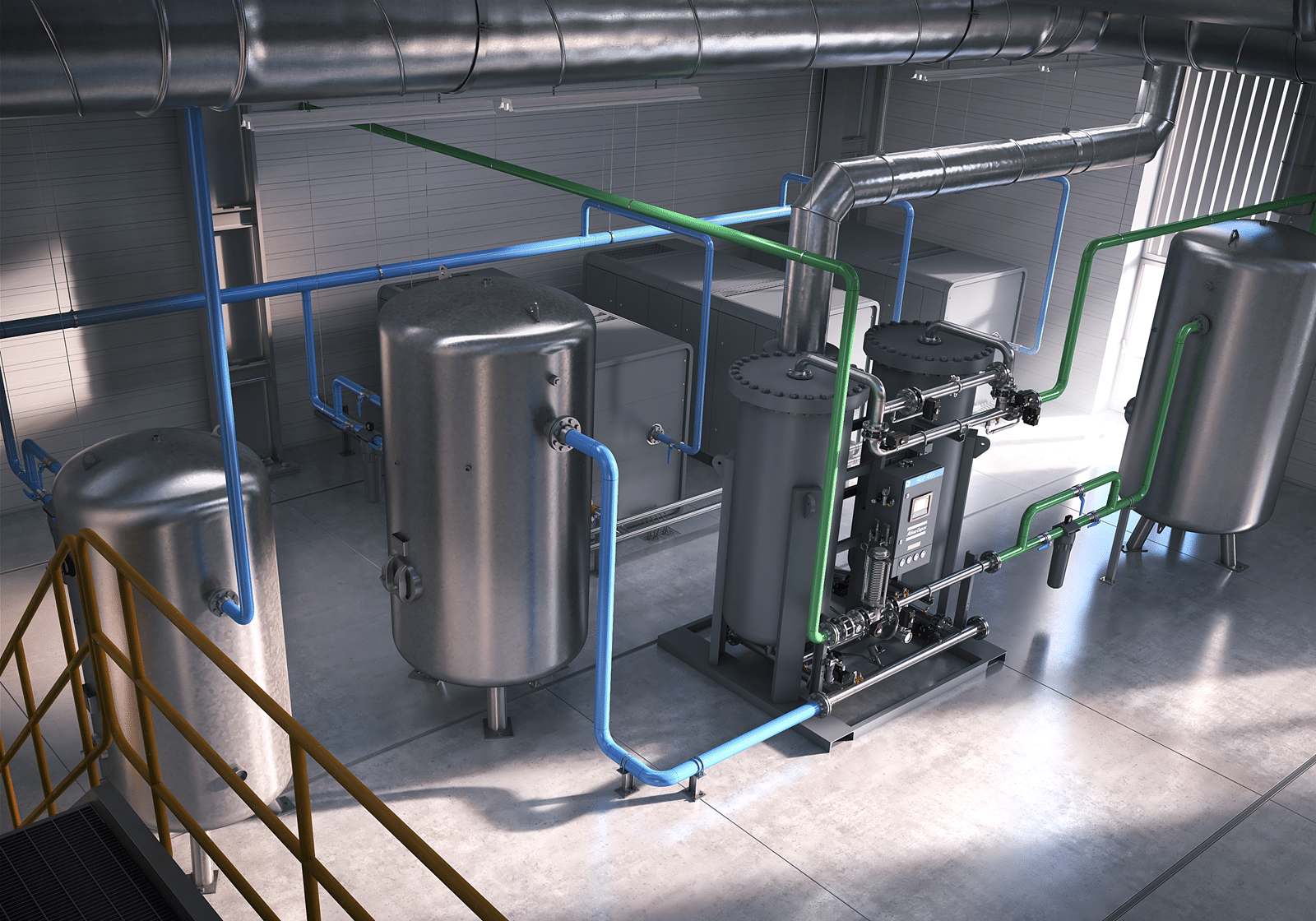
A professional air compressor energy audit is an in-depth analysis of your entire compressed-air system. It measures the supply side (compressor efficiency), the demand side (air usage), and the distribution network (pipework and leaks).
This process is not just a simple leak check. It is a complete diagnostic service that adheres to the international ISO 11011 standard for compressed air energy efficiency, a framework championed in the UK by the British Compressed Air Society (BCAS).
You’ll receive a detailed report with costed actions, payback times, and compliance-ready data for ESOS Phase 3 (for large UK businesses) and ISO 50001. This report gives you a clear business case for any recommended improvements.
Our Five-Step Audit Process
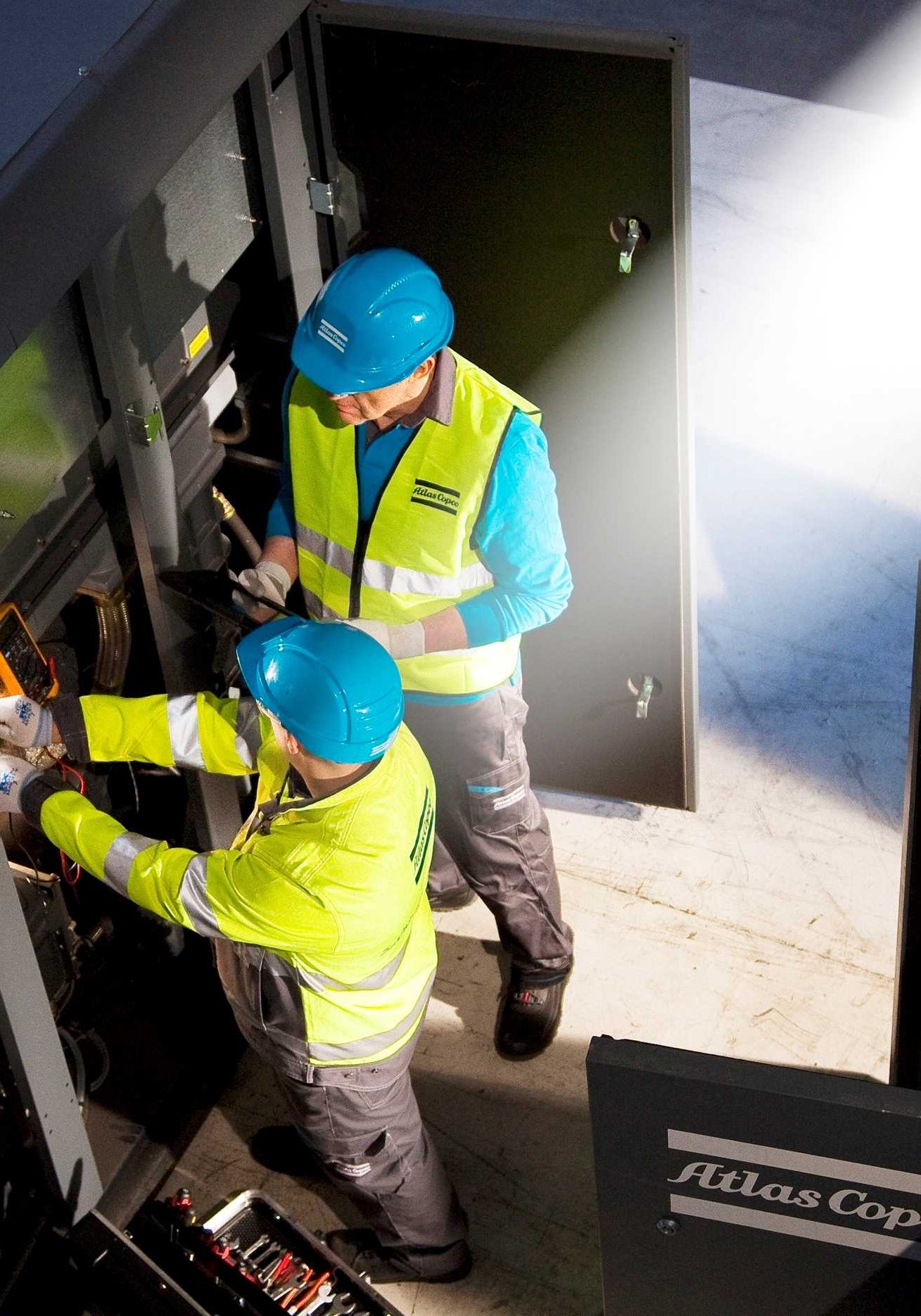
Our engineers follow a rigorous, five-step process to build a complete picture of your system's performance.
- Consultation & Baseline - We first review your site's operational patterns, production schedules, and existing equipment. We capture baseline data to establish your current energy consumption (kWh) and costs.
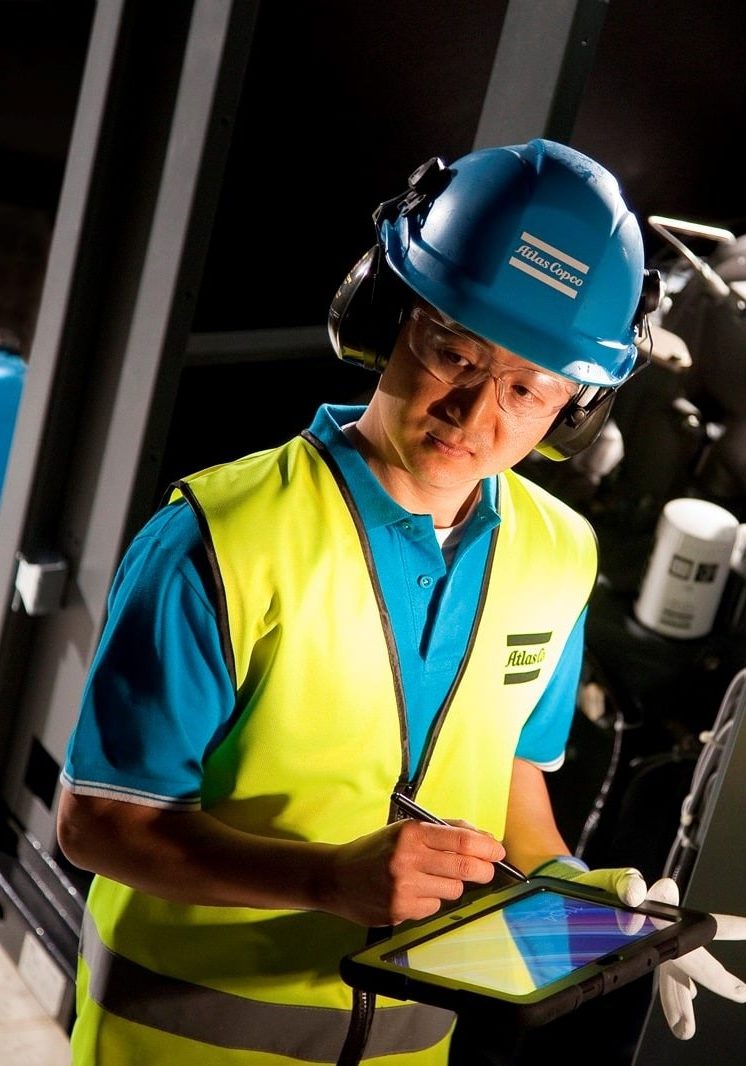
- Data Logging - We use non-intrusive data loggers, like those in the Atlas Copco AIRScan process, to record real-time power (kW), system pressure (psi), and airflow (cfm) over a full, representative week.
- Demand Mapping - Our engineers conduct a physical walk-through of your facility. This process builds a clear picture of your air demand – showing where the biggest users are, where pressure is being lost, and where compressed air is being used inefficiently.
- Ultrasonic Leak Detection - With advanced ultrasonic detectors, we pinpoint every air leak – even in the loudest factory environments. Each leak is tagged, and its waste is quantified.
- Report & ROI - You receive a comprehensive report with graphs showing your system's performance. The report provides a prioritised list of costed recommendations and a clear payback analysis for each one, allowing you to make informed investment decisions.
Typical Problems Identified
Most businesses see savings of around 20–40%, with the investment usually paying for itself in less than a year.
These audits almost always reveal hidden inefficiencies that quietly waste thousands of pounds.
- Air Leaks: This is the single largest source of waste. In an unmaintained system, leaks can account for 20-30% of all generated air. A small 6 mm leak in a 7 bar system can waste up to £38,000 per year in electricity. An audit quantifies the exact cost of your compressed air leak detection opportunities.
- Artificial Demand: This is the excess air consumed because the system pressure is set too high. Running a compressor just 1 bar (14.5 psi) higher than necessary increases energy use by approximately 7%.
- Inefficient Control: In systems with multiple compressors, machines often run in conflict. This leads to excessive unloaded running, where a compressor consumes 20-70% of its full-load power while producing no air.
- Poor System Design: Old, corroded, or undersized pipework creates friction and pressure drops. This forces the compressors to work harder to deliver the required pressure at the point of use.
- Inappropriate Use: Using compressed air for simple jobs – like blowing dust off benches or keeping cool – can quietly waste a lot of energy. In most cases, a small electric blower does the same work for far less cost.
Our Recommendations and Solutions
Each audit delivers a practical roadmap for improvement. The ultimate purpose is to show you how to reduce your air compressor costs with proven solutions.
- Leak Repair: The fastest return on investment. Fixing the leaks identified in the audit can often pay for the entire service within a few months.
- Pressure Optimisation: Adjusting system pressure set-points is a low-cost action that immediately eliminates artificial demand and reduces power consumption across the entire system.
- Variable Speed Drive (VSD) Compressors: For facilities with fluctuating air demand, the audit data often builds a clear business case for upgrading to a Variable Speed Drive (VSD) compressor. An Atlas Copco GA VSD+ model can reduce energy consumption by an average of 50%.
- Central Controllers: An intelligent master controller, such as the Optimiser 4.0 connects all compressors into one coordinated system. It prevents machines from competing with each other and makes sure only the most efficient setup runs to match actual demand.
- Waste Heat Recovery: Around 80–90% of the electrical energy used by a compressor turns into heat. An audit identifies opportunities for energy recovery in air compressor systems, allowing you to repurpose waste heat for hot water or space heating – often achieving payback in under a year.
- Pipework Upgrades: To solve pressure drops and future-proof the system, we may recommend replacing old pipes with a modern, modular aluminium system like Atlas Copco's AIRnet.
- Remote Monitoring: Installing Atlas Copco SMARTLINK enables continuous remote monitoring. It keeps track of vital performance metrics, helps plan maintenance before issues arise, and ensures long-term energy efficiency.
Why Choose Control Gear
Conducting a thorough energy audit requires deep specialist expertise. Control Gear has provided expert fluid power solutions for over 50 years.
As an Atlas Copco Premier Distributor, our engineers are trained to use the latest diagnostic tools to find every opportunity for savings. We provide a complete service, from the initial audit to the installation and maintenance of all recommended solutions.
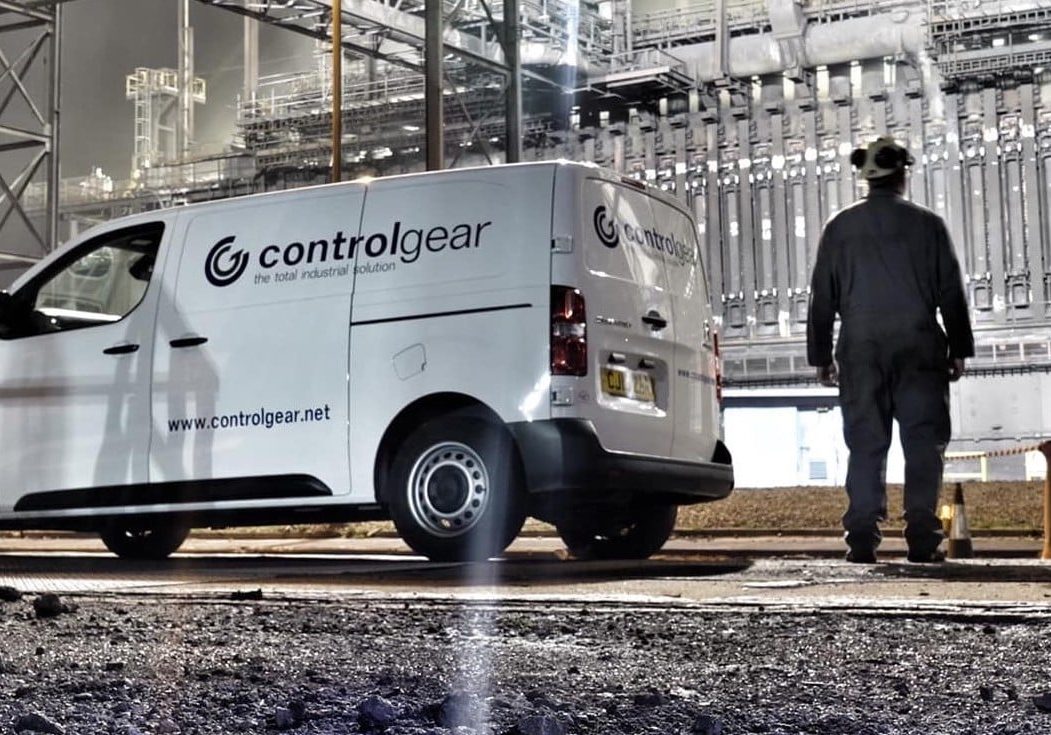
Control Gear’s local engineers serve businesses across South Wales and the West, including Cardiff, Newport, Swansea, Bristol, Stroud, and Swindon. We deliver the benefits of a compressed air audit tailored to your specific facility and operational goals, providing a full air compressor energy audit in South Wales and the West.
A professional audit also helps your business meet mandatory UK schemes such as ESOS and ISO 50001, ensuring your energy data is fully auditable and aligned with your sustainability targets.
Don’t let hidden inefficiencies drain your profits.
Contact our certified engineers today to book your Air Compressor Energy Audit across South Wales and the West.
Why Work With Us?