

Why is Compressed Air Quality Important?
Understanding the crucial role of compressed air quality in various industrial processes is fundamental to optimising performance, safety, and cost-effectiveness.
Our simple guide not only illuminates the factors that differentiate high-quality compressed air from its substandard counterparts but also offers practical insights on how to enhance your compressed air system.
Compressed Air Quality – What Is It?
You may have heard about the different types of air compressors that are available to buy, but have you stopped to consider compressed air quality? The difference between high quality air and poor air quality can have a huge impact on your systems, processes and even energy costs.
A high quality compressed air system is one that has the least contamination possible. There are three primary contaminants that determine the quality of compressed air:
- Particulate Matter: Dust, dirt, rust, and other solid particles that can damage equipment, clog filters, and contaminate products.
- Moisture (Water): Water vapour, aerosols, and liquid water can cause corrosion, freeze in pipelines, and disrupt pneumatic processes.
- Oil: Oil vapours and aerosols from the compressor lubricant can contaminate products, damage equipment, and create safety hazards.
ISO 8573.1: The Standard for Compressed Air Quality
To ensure consistency and quality, the international standard ISO 8573.1 categorises compressed air quality into classes based on the permissible levels of these contaminants. Each class specifies maximum allowable limits for particulate matter, moisture, and oil, enabling users to select the right air quality for their specific application.
For example, Class 0 air quality ensures the highest purity levels, essential for industries like pharmaceuticals and semiconductors, while Class 1 balances efficiency and cleanliness for general industrial use.
If you aren’t sure how to pick the right air compressor design to get the best possible compressed air, then all you need to do is reach out to the Control Gear team, who will be happy to advise.

ISO Air Quality Standards – What They Are
Once air treatment has been completed, the air quality can be deemed safe and clear. However, compressed air purity is not just assessed on how free of solid particles it is, but also how dry it is.
Air purity is calculated per one cubic metre of. It looks at the number of solid and liquid impurities there are present, the dew point of the air and how much oil content and vapours there are in the compressed air.
To understand what makes good air quality in your compressed air system, there has to be some level of international standard to follow. The International Organisation for Standardisation or ISO, develops the standards required to assess compressed air quality.
The international standard for compressed air is known as the ISO 8573-1.
This standard takes three specific measurements to assess the level and types of contaminants, including:
- Water Vapour
- Oil
- Solid Particulate
It also defines limits for particle sizes and dew points, ensuring precise measurement criteria for consistent air quality.
It is also worth noting that these standards do not factor in any gases or microorganisms.
Once assessed, the compressed air quality is set according to the ISO 8573-1 standard, helping you to understand whether you have the right air quality class and whether you will need to upgrade your compressed air system or not.
The ISO standardisation offers a clear hierarchy, working from the least contaminated compressor design to the most, allowing you to understand which type of compressed air system is right for your compressed air needs.
The Role of Compressed Air in Various Industries
Compressed air is in demand across many industrial applications, such as food production and medical production, leaving business owners in need of high quality air for a range of different purposes.
Some of the key industries that use compressed air treatment solutions include:
- The Food Industry (Food Processing)
- The Manufacturing Industry
- The Textile Industry
- The Mining Industry
- The Healthcare Industry
- The Pharmaceutical Production Industry
- And More!
Here are some examples.
Pharmaceutical Industry
Compressed air is used in the pharmaceutical industry for various critical applications, such as manufacturing drugs, packaging medicines, and operating pneumatic equipment. To avoid contamination, the industry demands ultra-clean air, often requiring the removal of particles, moisture, oil, and even microorganisms. For example, clean compressed air prevents cross-contamination during capsule filling and ensures sterile environments in injectable production. Strict adherence to ISO 8573.1 Class 0 or Class 1 standards is typically mandatory to ensure product safety and compliance with regulatory guidelines.
Food and Beverage Industry
The ISO 8573.1 Class 0 ensures that compressed air used in direct contact with food products remains free from contaminants, safeguarding compliance with global food safety regulations.
Automotive Industry
Compressed air is used for various purposes in the automotive industry, including powering pneumatic tools, operating robots, and painting vehicle bodies. Maintaining Class 1 air ensures no oil or particle interference in painting processes, guaranteeing a flawless and durable finish. Additionally, precision in assembly operations depends on clean air, particularly for critical safety systems like airbags and braking components. Clean air is crucial for precision in painting processes to avoid defects and ensure a flawless finish. In assembly operations, clean air prevents contamination that could compromise the functionality and reliability of sensitive components. ISO 8573.1 Class 1 or Class 2 air is typically sufficient for most automotive applications.
Electronics and Semiconductor Industry
The electronics and semiconductor industry relies on compressed air for tasks like cleaning delicate components, cooling equipment, and operating pneumatic tools. Even minute particles or traces of moisture can cause irreversible damage, leading to costly product failures. For example, during wafer fabrication, Class 0 air ensures no compromise in the precision of etching processes or component integrity. ISO 8573.1 Class 0 or Class 1 air is often necessary to meet the stringent cleanliness standards of this industry.
Understanding the specific requirements of your industry is crucial for selecting the appropriate air treatment solutions and ensuring the quality of your compressed air meets or exceeds the necessary standards.
The Impact of Pure Quality Compressed Air
Maintaining high air quality in compressed air systems is critical for operational efficiency, product integrity, and equipment durability. In industries like food, pharmaceuticals, and electronics, contaminants in compressed air – such as oil, moisture, and solid particles – can lead to product recalls, spoilage, and compromised regulatory compliance. By utilising advanced air treatment equipment, such as oil-free compressors and high-efficiency coalescing filters, businesses can meet the stringent demands of ISO 8573.1 standards. ISO 8573.1 standards help businesses ensure the air quality required for these sensitive applications.
Air treatment equipment like compressed air dryers and filters reduces the presence of moisture and oil in compressed air, extending equipment lifespan and minimising maintenance costs. Clean compressed air also improves energy efficiency by preventing pressure drops and ensuring smooth system performance.
Additionally, ensuring clean air reduces safety hazards such as oil-contaminated surfaces and moisture-related bacterial growth. By investing in the right air treatment solutions, businesses meet their air quality needs, optimise operational costs, and create safer, more sustainable environments.
The Impact of Poor Compressed Air Quality
Poor compressed air quality can have far-reaching consequences for your business, affecting everything from equipment performance to product quality and operational costs.
Equipment Performance and Lifespan
Contaminants present in compressed air will wreak havoc on your equipment. Solid particles can abrade internal surfaces, leading to premature wear and tear. Moisture causes corrosion, rust, and even freezing in pipelines, while oil clogs valves and filters, reducing efficiency and causing malfunctions. Frequent filter replacements or seal failures can also result from poor air quality, leading to unscheduled downtime. These issues mean frequent breakdowns, increased maintenance costs, and ultimately, a shorter lifespan for your valuable equipment.
Product Contamination and Quality Issues
Poor air quality has devastating consequences in industries where compressed air comes into contact with products. In food and beverage processing, contaminants will spoil products, leading to waste and potential recalls. In pharmaceuticals, contamination compromises drug safety and efficacy, resulting in significant financial losses and reputational damage. Similarly, defects in electronics manufacturing can stem from particulate interference, resulting in rejected batches or costly rework. Even in manufacturing, contaminants cause defects in products, leading to customer complaints and costly rework.
Safety Hazards
Poor compressed air quality can pose serious safety risks to your workforce as well. Excessive moisture in compressed air lines can lead to harmful bacteria and mould growth, potentially causing respiratory problems for workers. Additionally, oil-laden air can create slippery surfaces, increasing the risk of slips and falls. Contaminated compressed air can exacerbate flammable or explosive risks in hazardous environments, particularly in chemical plants. In extreme cases, explosions or fires can occur if flammable contaminants are present in the compressed air.
Increased Operational Costs
The cumulative impact of poor compressed air quality on equipment, product quality, and safety significantly increases operational costs. Frequent repairs, replacements, and maintenance tasks strain your budget. Product recalls and customer complaints damage your reputation and result in financial losses. Additionally, energy waste due to inefficient equipment further inflates your operating expenses.
Investing in proper air treatment and maintaining high compressed air quality can mitigate these risks and ensure the smooth operation of your business. Preventative measures, such as implementing regular air audits, often pay for themselves by reducing waste and optimising productivity. The cost of preventive measures is often far less than the potential losses caused by poor air quality.
The Importance of Compressed Air Filtration
Compressed air filtration is essential for removing contaminants in compressed air, such as dust, oil, and moisture, that can degrade equipment and compromise product quality. Without proper filtration, these impurities can lead to equipment wear, costly downtime, and quality issues, especially in industries where the air will come into direct contact with products like food and pharmaceuticals.
High-quality compressed air filters protect your system, reducing maintenance needs and improving energy efficiency by minimising pressure drops. Filters also help achieve the specific air quality you need, ensuring compliance with compressed air quality standards like ISO 8573.1. For instance, sterile filters are used in pharmaceuticals to meet both safety and regulatory requirements. Different filters, such as coalescing filters for oil aerosols or particulate filters, are used based on the contaminants present. Effective filtration protects your system, helps meet industry quality requirements, and promotes health and safety in the workplace.
The Role of Air Dryers in Compressed Air Quality
In addition to filtering debris from the system, a number of air dryer solutions can help produce the best dry air at all times.
The dryers you may need to use include an adsorption dryer, desiccant dryers and refrigerant dryers.
Refrigerant dryers are used for situations where the dew point is 3 degrees Celsius or lower and the max air quality class is a class 4.
Adsorption dryers are required when a lower dew point is needed, resulting in less moisture overall.
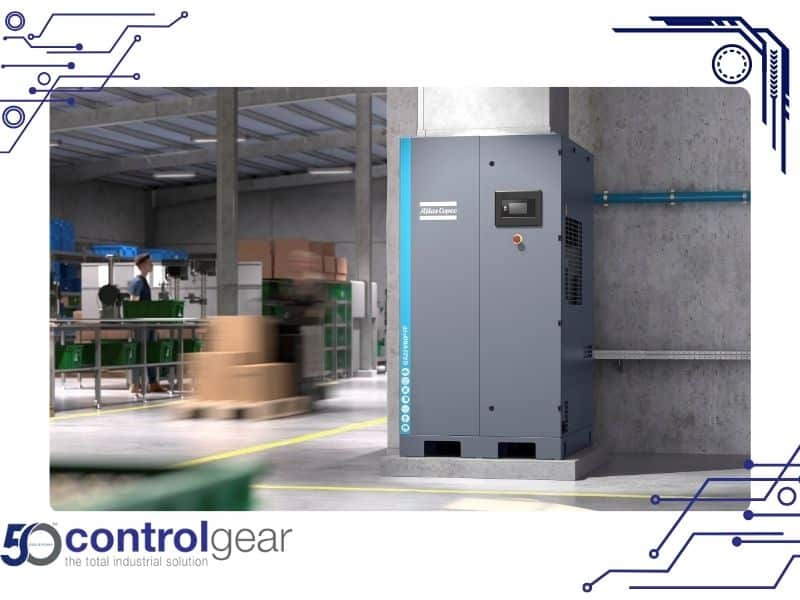
Cost Effective Solutions for Compressed Air
When you are ready to find a compressed air system that meets your needs, it is important to check out the full range of options as well as be mindful of systems that are oil free to reduce the risk of debris in the air.
If you aren’t up to speed on compressed air systems then finding a team that can advise you is the best way forward. Atlas Copco offers tailored solutions backed by decades of expertise, ensuring you meet all industry-specific requirements. At Control Gear, we make it our mission to provide you with the very best information on everything from breathing air to oil lubricated compressors and every other aspect.
Not only do we have up-to-date, professional knowledge about compressed air systems, but we work hard to help you make the right decision for your needs. As part of our commitment to you, we provide 24/7 coverage to ensure your compressed air quality remains as good as possible.
Contact us today to consult with our experts and explore how we can help enhance your compressed air systems.
FAQ
What is the importance of compressed air quality testing?
Compressed air quality testing is crucial for identifying contaminants in the compressed air system, such as dust, oil, and moisture. Regular testing helps maintain the required quality level of the compressed air, ensuring that the air used meets industry standards. This is particularly important in sectors like pharmaceuticals and food production, where air quality is directly tied to product safety and regulatory compliance.
How does the pressure dew point affect compressed air quality?
The pressure dew point refers to the temperature at which moisture in compressed air condenses into liquid form. It is an important factor in determining the quality of the compressed air. Lower pressure dew points indicate drier air, necessary for applications requiring high air quality, such as electronics or pharmaceutical production. By controlling the dew point, you can prevent moisture-related problems in the compressed air system.
How does the quantity of oil in compressed air impact the system?
The quantity of oil in compressed air depends on the type of compressor and filtration used. Oil contamination can affect the compressed air quality, leading to equipment malfunctions and product contamination, especially in industries like food and pharmaceuticals. Systems often have oil separators and coalescing filters, which help remove oil vapours and aerosols to maintain clean compressed air.