Air Compressors for the Packaging Industry
For packaging manufacturers in South Wales and the West, compressed air is an essential utility, driving every stage of forming, filling, and sealing. Selecting the appropriate system is crucial for product safety, adherence to ISO 8573-1 standards, and reducing energy expenses.

Why is Compressed Air a Fundamental Utility in Packaging?
It is a fundamental utility because it powers nearly every stage of the automated packaging line. Compressed air provides two distinct functions: "Energy Air" for mechanical work, such as powering pneumatic actuators and robotics, and "Active Air," which contacts the product or packaging material directly.
For Active Air, purity is a non-negotiable requirement to prevent contamination. In packaging, the reliability and purity of your compressed air supply directly determine output quality and uptime. Reliable, clean air keeps your packaging line moving; without it, production stops.

What are Common Packaging Applications for Compressed Air?
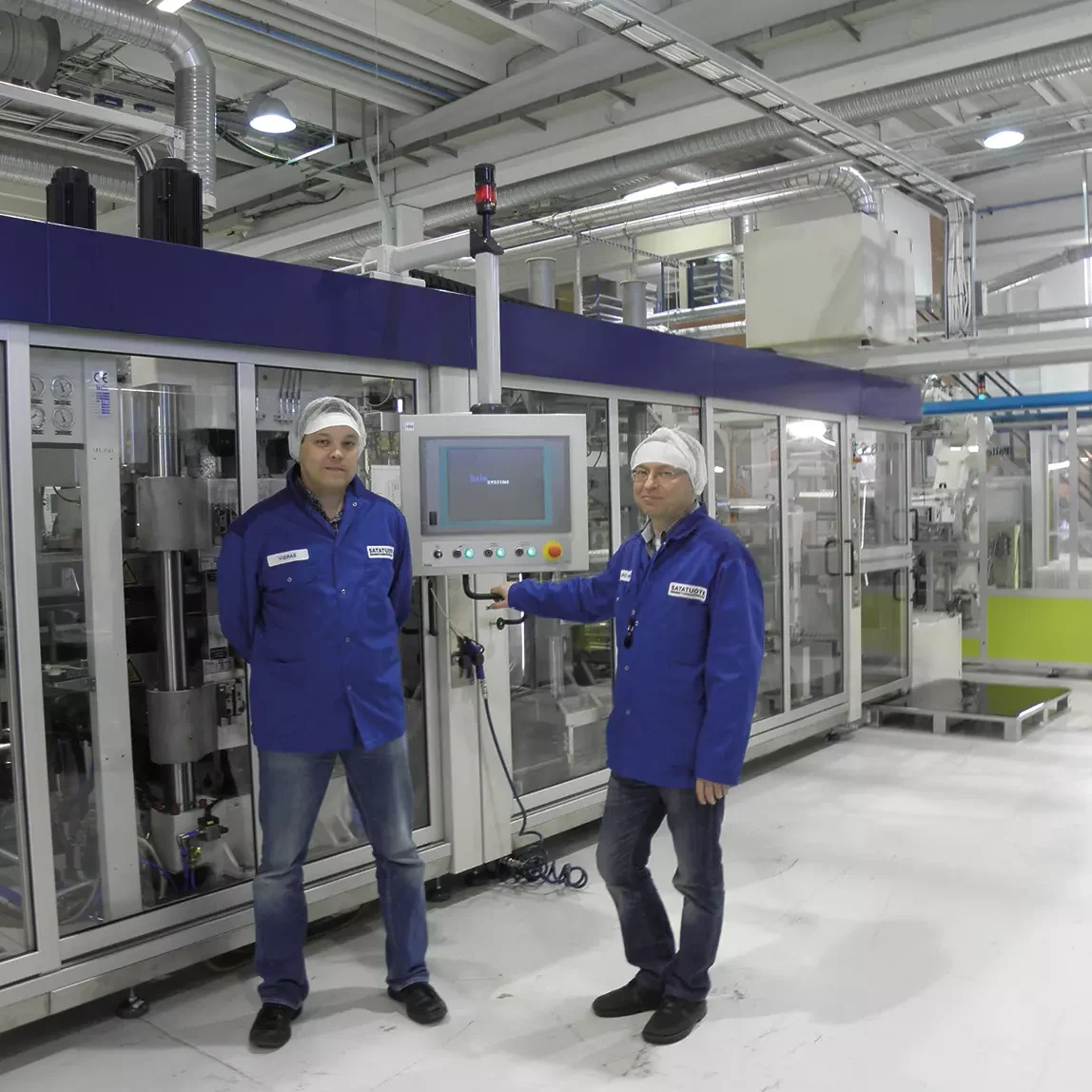
You’ll find compressed air powering applications such as:
- Container Forming: High-pressure, oil-free air for PET blow moulding and air for thermoforming trays.
- Product Handling: Pneumatic conveying for powders and vacuum grippers for pick-and-place robotics.
- Filling and Sealing: Powering diaphragm pumps for liquid filling and actuating the heated jaws of sealing machines.
- Preparation: Air knives for blowing debris from containers or drying products.
- Atmosphere Modification: Supplying feedstock for On-Site Nitrogen Generation systems used in Modified Atmosphere Packaging (MAP).
Each process relies on stable pressure and consistent purity to maintain output quality.
What Air Purity is Required for Packaging?
The air quality you need depends on your process and the cost of getting it wrong. If you package food, pharmaceuticals, or electronics, you must meet ISO 8573-1:2010 to stay compliant and protect your products. This standard classifies air quality based on three contaminants: solid particles, water, and total oil.
What Are the Three Main Contaminants?
- Solid Particles: Dust, rust, or microbes can physically spoil a product or damage sensitive pneumatic components.
- Water: Moisture (aerosols or vapour) corrodes pipework and equipment. It also creates a breeding ground for bacteria, which is a high-risk in Air Compressors for the Food and Beverage Industry, and can compromise BRCGS or HACCP compliance.
- Oil: Oil aerosols or vapour will contaminate the final product, altering its taste or safety. Even a trace of oil can compromise your product and reputation.

How Do You Read the ISO 8573-1 Purity Classes?
The standard uses a three-part notation [A:B:C].
- A is the class for solid particles.
- B is the class for water (pressure dew point).
- C is the class for total oil.
A lower number signifies higher purity. The following table summarises the ISO 8573-1 classes most relevant to packaging operations.
| Purity Class | Max Particles (0.1–5.0 µm) | Water (Pressure Dew Point) | Total Oil (mg/m³) |
|---|---|---|---|
| Class 0 | As specified by the user (stricter than Class 1) |
As specified by the user (stricter than Class 1) |
As specified by the user (stricter than Class 1) |
| Class 1 | ≤ 20,410 | -70 °C | ≤ 0.01 |
| Class 2 | ≤ 406,000 | -40 °C | ≤ 0.1 |
| Class 3 | Not specified | -20 °C | ≤ 1 |
For food contact, the British Compressed Air Society (BCAS) Best Practice 102 recommends a purity of [1:2:1]. Pharmaceutical applications often require an even stricter [1:1:1].
What is the Difference Between Oil-Free and Oil-Injected Compressors?
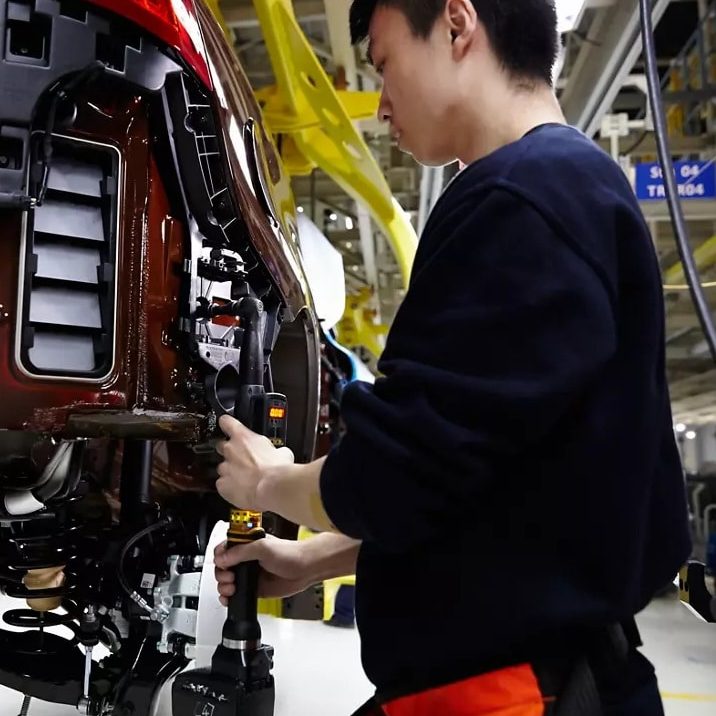
To eliminate contamination risk, choose an oil-free system. Atlas Copco’s Class 0 range ensures pure, reliable air for every packaging application.
A detailed Oil Versus Oil-Free Air Compressors Guide can explain this further. For any "Active Air" application in packaging, a Class 0 certified oil-free compressor is the only safe choice. Relying on downstream filters with an oil-injected machine is a risk; if a filter element fails, your entire production is contaminated.
Control Gear supplies and services key Atlas Copco oil-free models designed for packaging, including the ZR/ZT (rotary screw), SF (scroll), and ZD (high-pressure) series for PET Air Compressor Sizing. Atlas Copco AQ water-injected compressors also provide Class 0 air with excellent efficiency.
How Can VSD Compressors Reduce Energy Costs?
A Variable Speed Drive (VSD) compressor automatically adjusts its motor speed to match your facility's real-time air demand. This eliminates the massive energy waste created when a fixed-speed compressor runs in an "unloaded" state. Packaging lines have fluctuating demand, making VSD technology ideal. An Atlas Copco GA VSD+ compressor can reduce your energy consumption by 30-50% or more compared to a fixed-speed equivalent. Over a full production year, that efficiency can save thousands on your electricity bills.
What Else is Needed for a Complete Air Treatment System?
A compressor alone does not produce pure air. You need a complete system of ancillary equipment to remove the contaminants drawn in from the atmosphere.
- Air Compressor Dryers: These remove harmful water moisture. A desiccant dryer is required to achieve the -40 °C pressure dew point needed for ISO Class 2 water purity ([1:2:1]).
- Filtration: A multi-stage setup of particulate and coalescing filters is necessary to remove solid particles and oil aerosols.
- Condensate Management: An oil/water separator is required for the legal and safe disposal of contaminated condensate.
- Pipework: A poorly designed pipe system will leak, wasting energy. AIRnet aluminium pipework provides a leak-free, corrosion-resistant distribution network that minimises pressure drop. A well-engineered AIRnet system can reduce pressure drop losses by up to 30%, improving overall system efficiency.
Together, these components ensure your packaging line meets ISO purity targets and runs at peak efficiency.

Why Choose Control Gear for Your Packaging Air System?
Serving South Wales and the West since 1973, Control Gear provides a complete, end-to-end solution focused on compliance, energy savings, and reliability. As an Atlas Copco Premier Distributor with over 50 years of expertise, we design, install, and maintain systems that meet the stringent demands of the UK packaging industry.
All systems are designed and maintained in accordance with the Pressure Systems Safety Regulations (PSSR 2000) and the latest BCAS guidelines.
Our factory-trained engineers service all major compressor brands, always using genuine OEM parts to protect your warranty and ensure performance. We move beyond simple repairs to improve your entire operation with services like:
- Air Leak Detection Audits: To find and quantify costly leaks, which often waste over 25% of your compressed air.
- Air Demand Analysis (AIRScan): We provide the data to prove the ROI of a VSD upgrade.
- SMARTLINK & Flow Monitoring for Air Compressors: This technology enables predictive maintenance, providing real-time alerts to prevent downtime before it happens.
Why Work With Us?
Your Partner for Packaging Industry
Selecting the right compressed air system is a key business decision that protects your product integrity, ensures regulatory compliance, and directly controls your energy costs.
Contact our specialist team today for a no-obligation site audit. We can help you identify energy savings, ensure your air quality meets ISO standards, and build a more reliable system.