
Air Compressors
Pneumatic vs Electric Actuators in Wet or Dirty Environments

Pneumatic vs Electric Actuators in Wet or Dirty Environments is not a neat one-winner comparison. Wet washdown, combustible dust, 100% duty cycles, leak cost, positioning tolerance and maintenance access all change the answer.
Read MoreHow to Choose Point-of-Use Filtration for Pneumatic Systems

Point-of-use filtration protects pneumatic valves, cylinders, tools, and product-contact processes by cleaning compressed air immediately before it reaches the equipment. Choosing point-of-use filtration for pneumatic systems comes down to three checks: contaminant risk, ISO purity class, and the pr
Read MoreHow to Size a Pneumatic Cylinder for Force, Stroke and Cycle Rate
To size a pneumatic cylinder for force, stroke and cycle rate, calculate the theoretical force using \(F = P \times A\), apply a 10% to 15% safety margin, check stroke and rod buckling, then calculate compressed air demand from the number of cycles per minute. That sequence stops the actuator stalli
Read MoreWashdown Pneumatics for Food and Beverage Sites

Washdown pneumatics for food and beverage sites need two specifications working together: clean mechanical components that survive sanitation, and compressed air quality proven against BCAS and ISO 8573-1 limits. If either side is weak, the risk moves from downtime into contamination, audit failure
Read MoreNorgren Valves Explained: Common Types, Failure Points and Selection Rules
Norgren valves are not catalogue parts. On a production line, the wrong valve can cause slow cylinders, coil heat, pressure instability, failed isolation, and repeat faults.
Read MoreChoosing Pneumatic Cylinders for Fast-Cycling or Washdown Equipment
Choosing Pneumatic Cylinders for Fast-Cycling or Washdown Equipment means matching force, speed, air quality, sealing, material, hygiene rating and compliance duties before you buy the actuator. The wrong choice usually fails in one of two places: the line cycle outruns the air supply, or the washdo
Read MoreWhat is Duty Cycle on an Air Compressor?
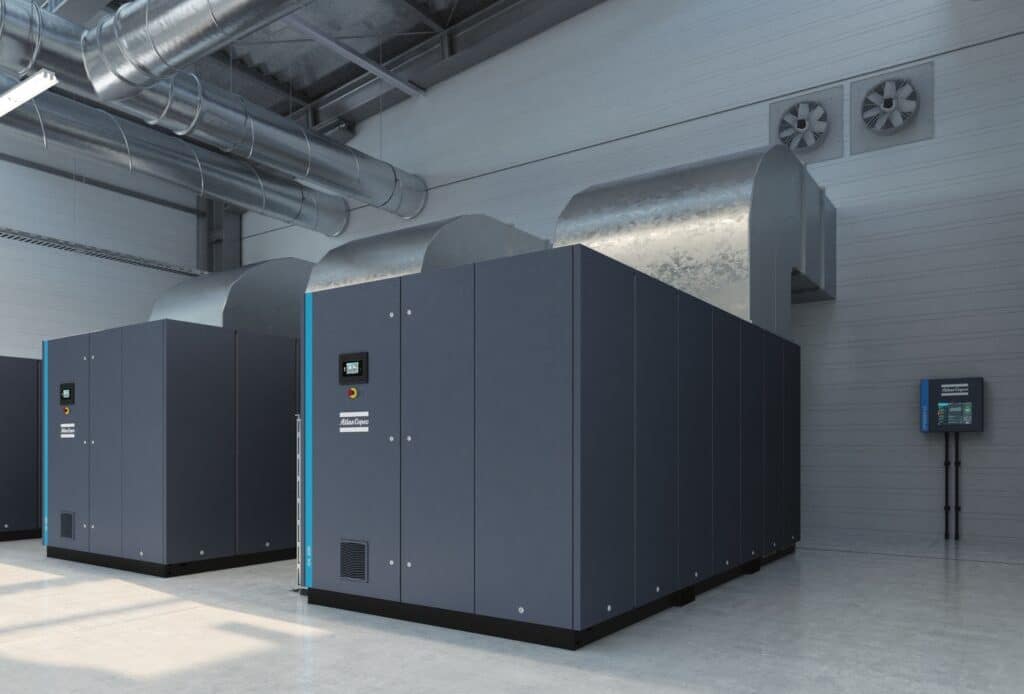
The duty cycle of an air compressor indicates how hard the machine can work before it needs to rest. Get it wrong when selecting equipment, and you’re either burning out a compressor due to thermal overload or paying for capacity that sits idle for most of your production shifts.
Read MoreHow to Troubleshoot a Hydraulic System Before You Strip It Down

Hydraulic system troubleshooting should start with evidence, not spanners. To diagnose before stripping down is to protect uptime, cleanliness, and the root-cause trail before the first hose is opened.
Read MoreFRL Units Explained: Filtration, Regulation and Lubrication at Point of Use
FRL Units Explained: Filtration, Regulation and Lubrication at Point of Use comes down to one duty: conditioning compressed air at the machine before it reaches valves, cylinders and pneumatic tools. An Air Preparation Unit, usually referred to as an FRL (Filter, Regulator, Lubricator), is a modular
Read MoreVacuum Pump Types Explained: Dry, Oil-Sealed, Claw and Screw

Vacuum Pump Types Explained: Dry, Oil-Sealed, Claw and Screw is a specification question before it’s a product question. The right choice depends on process cleanliness, moisture load, duty cycle, compliance exposure and the cost of keeping the unit running for ten years. Plain English matters here
Read More