
Air Compressors
How to Prevent Rust in Air Tanks
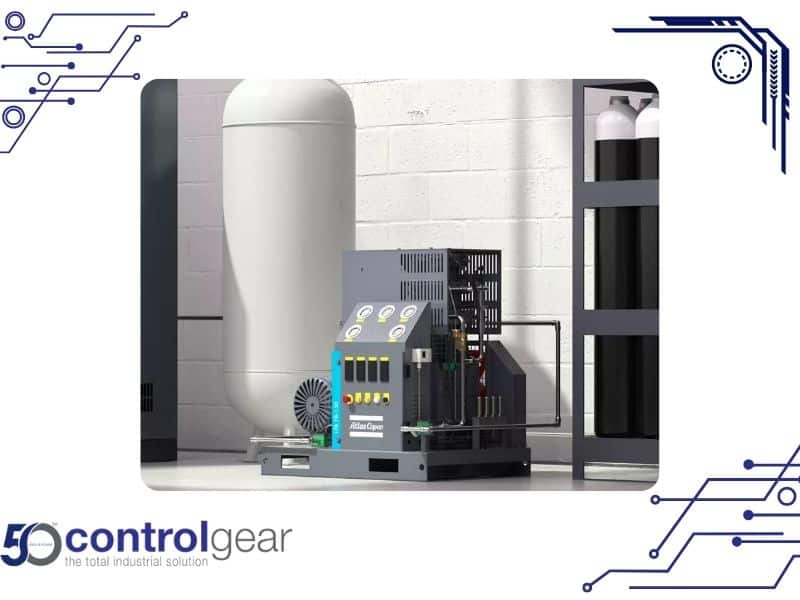
How to prevent rust in air tanks starts with controlling condensate: drain the receiver, dry the air, check the vessel, and treat inspection as part of the maintenance plan. Draining helps, but it does not prevent internal corrosion if humid air keeps cooling inside the receiver every shift.
Read MoreCompressed Air System Redundancy Planning for Industrial Sites
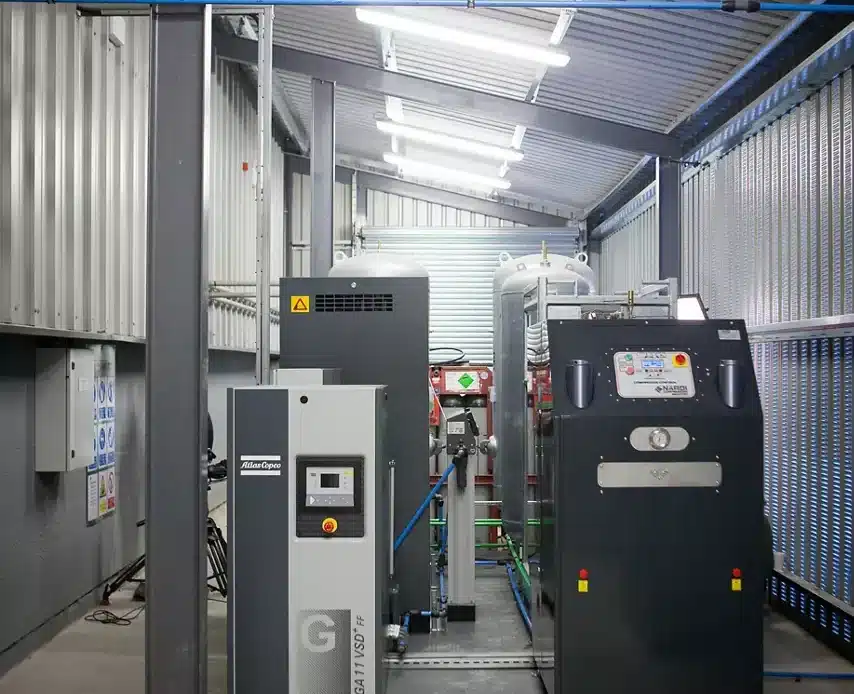
Compressed air system redundancy planning is now a financial and compliance decision, not an engineering preference. The overwhelming majority of a compressor’s TCO, between 70% and 80%, is consumed by the electrical energy required to run it. Purchase price is only 10% to 20% of lifetime cost, so a
Read MoreA Guide to Air Compressor Parts

Air compressor parts are production-critical components, not catalogue line items. This guide to air compressor parts explains why the item you buy has to match pressure rating, duty cycle, purity class, energy cost and legal examination duty.
Read MoreImpact of Ambient Temperature on Air Compressors
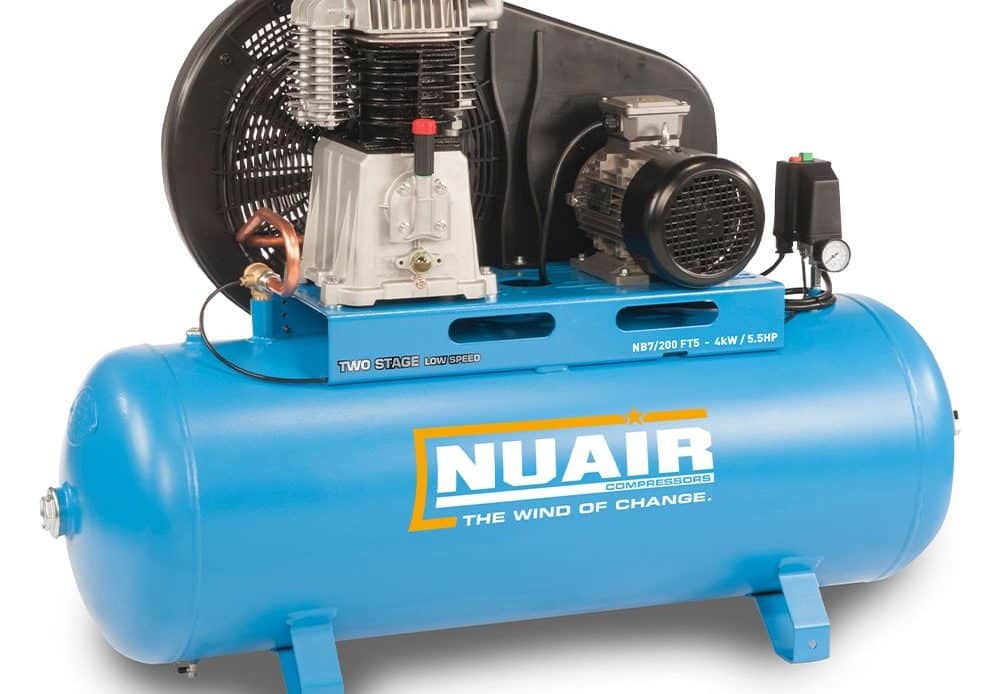
The impact of ambient temperature on air compressors is direct: warmer inlet conditions reduce air density, increase running time, and push more moisture into the treatment train. Cold rooms create the opposite problem, with viscous oil, frozen drains, and false pressure readings on systems that nee
Read MoreHow to Drain Air Compressor Tanks
Learning how to drain air compressor tanks correctly prevents internal corrosion and system failure. Neglecting this simple task allows acidic condensate to accumulate, compromising receiver walls and air quality. At Control Gear, our engineers have spent over 50 years maintaining industrial systems across South Wales to ensure they meet strict safety standards. We will outline…
Read MoreEssential Air Compressor Accessories List

An effective compressed air system relies on more than just the pump itself to operate efficiently. Reviewing an Essential Air Compressor Accessories List helps you identify the components needed to maintain stable pressure and clean air. At Control Gear, our engineers have spent over 50 years designing industrial layouts across South Wales. We know exactly…
Read MoreHow to Read Air Compressor Gauges

Accurate pressure readings are the only way to ensure your compressed air system operates safely. Misinterpreting a gauge often leads to dangerous over-pressurisation or expensive energy waste. Our engineering team installs and maintains thousands of Bourdon tube and digital gauges across the UK. We know exactly how to interpret these instruments to maintain PSSR 2000…
Read MoreA Guide to Air Compressor Pressure

Recent data reveals that running just 1 bar too high increases energy costs by 7%. Correct pressure settings determine the difference between an efficient system and a wasteful one. At Control Gear, we have spent over 50 years balancing pressure requirements for industrial sites. As a premier Atlas Copco distributor, our engineers ensure your equipment…
Read MoreRole of Regulators in Air Compressors

The role of regulators in air compressors is often underestimated until inconsistent pressure damages expensive pneumatic tools. Without precise control, systems waste energy and suffer from fluctuating performance. At Control Gear, our engineers have spent decades optimising industrial systems across the UK to prevent these costly inefficiencies. This guide explains how regulators function, the different…
Read MoreDifference Between Rotary and Piston Compressors
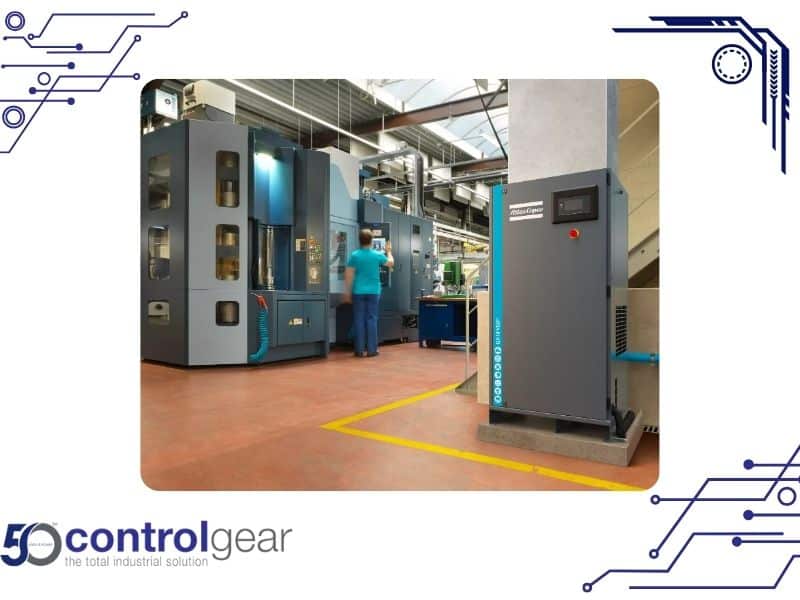
Selecting between rotary screw and piston compressors dictates your facility’s energy efficiency and running uptime. While one technology supports continuous industrial demand, the other is engineered for intermittent, stop-start applications. At Control Gear, our engineers have spent over 50 years installing and maintaining Atlas Copco systems across the UK. We will examine the specific differences…
Read More