
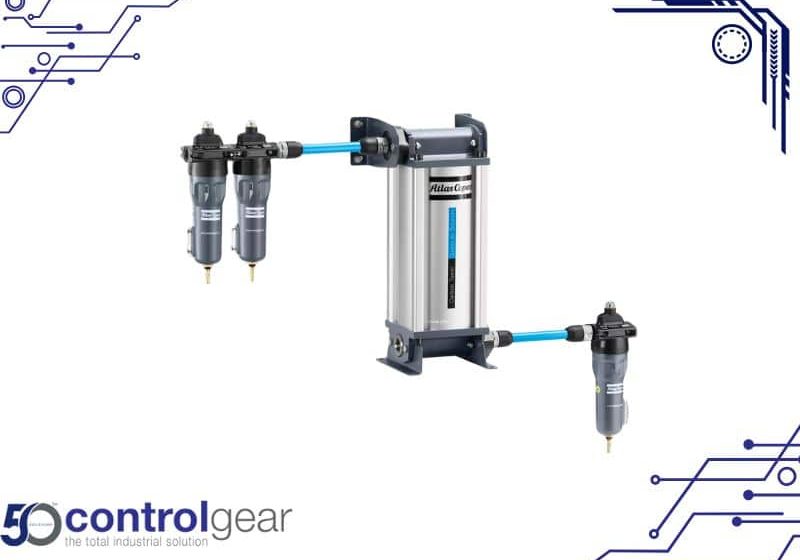
Are you looking for an expert guide to industrial filtration systems?
Industrial filtration is essential for many industries, and choosing the right system is crucial for efficiency and compliance. This expert guide, brought to you by Control Gear, will help you understand the different types of systems, their components, and how to select the best solution for your specific needs.
We’ll also cover emerging trends like IoT and sustainable materials, and provide tips for optimising your existing systems.
What Is Industrial Filtration?
Filtration is critical to remove contaminants from liquids, gases, and air in industrial applications. High-quality industrial filtration protects sensitive equipment, maintains product quality, and helps industries meet strict regulatory standards. Whether in pharmaceuticals, food production, or manufacturing, filtration is important for maintaining operational efficiency.
Benefits of Filtration in Industrial Applications
- In the pharmaceutical industry, filtration ensures sterility by removing particulates during drug production.
- Filtration in the food and beverage industry guarantees water and air meet hygiene standards.
- Manufacturing operations rely on filtration to prevent debris from damaging machinery.
- The oil and gas sector depends on filtration to avoid corrosion and system failure.
What other benefits does industrial filtration offer?
Beyond these key sectors, industrial filtration plays a vital role in many other applications. It helps to improve product quality, reduce waste, and protect the environment. For example, in the life science industry, filtration is critical for producing pure and sterile products.
In the energy and power systems sector, filtration ensures the reliable operation of turbines and other critical equipment. By removing contaminants, filtration helps to extend the lifespan of equipment, reduce maintenance costs, and improve overall efficiency.
Types of Industrial Filtration Systems
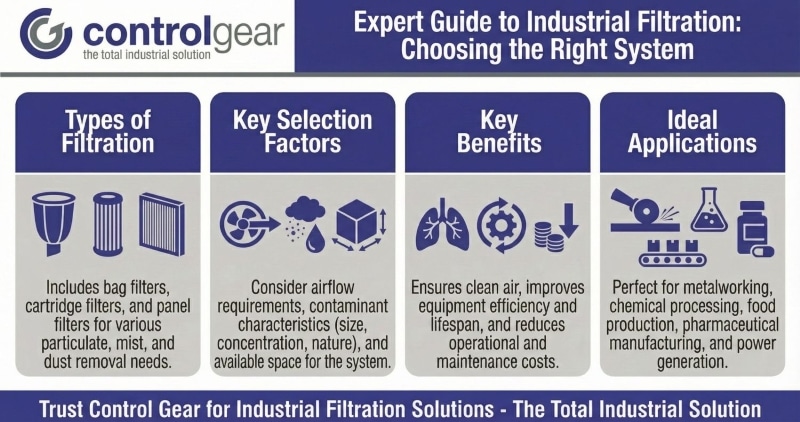
It is essential to understand the different types of filtration systems to select the right one for your application:
1. Mechanical Filtration
This process uses sieves, screens, or fabric filter elements to remove debris and large particles. It is commonly used in HVAC systems and water treatment facilities. While effective for larger contaminants, it often requires additional filtration for finer particles.
2. Absorptive Filtration
Absorptive systems use materials like activated carbon to trap oils, chemicals, and odours. These systems are important in industries where chemical purity is a priority, such as cleanrooms and beverage production.
3. Electrostatic Filtration
Electrostatic filters use electric charges to capture fine particles like dust and smoke. They are often found in industrial air filtration systems to ensure clean working environments.
4. Centrifugal Filtration
By spinning liquids, centrifugal systems separate particles based on their density. Centrifugal filters are widely used in oil filtration and wastewater treatment.
5. Ultrafiltration and Nanofiltration
These systems use membranes with minuscule pore sizes to remove microorganisms, salts, and viruses. Industries like food, medical, and semiconductor manufacturing rely on these technologies for high-purity filtration.
What about FCL HVAC Filters?
FCL HVAC filters are designed for use in buildings and other commercial settings. They provide high-efficiency filtration of air, removing dust, pollen, and other contaminants. These filters are available in a range of sizes and efficiencies to meet the specific needs of your application. FCL HVAC filters are known for their reliability and long service life.
Filtration System Components
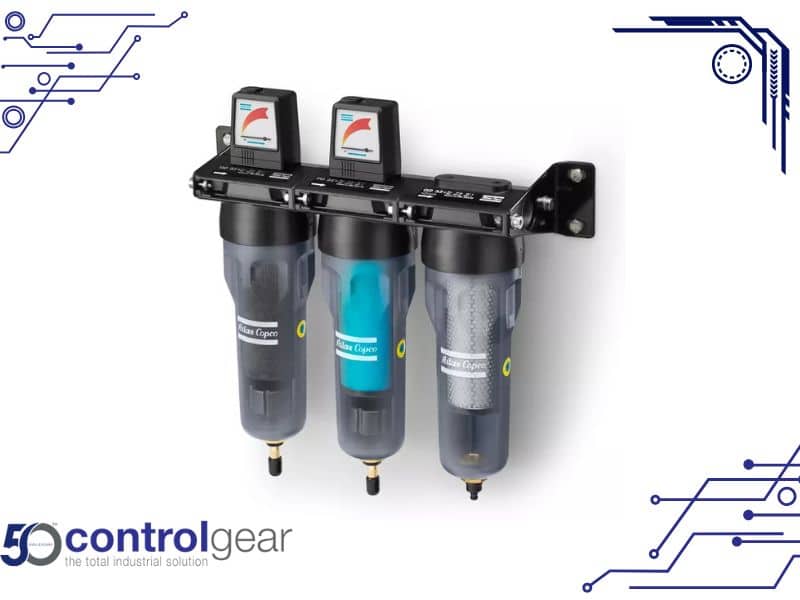
Industrial filtration systems are composed of several critical elements:
Filter Media
The core of any filtration process can be woven fabrics, membranes, or activated carbon, chosen based on the size and type of contaminants.
Housing and Frames
These protect the filter media and direct flow. Stainless steel housings are a popular choice for industries requiring chemical resistance.
Pressure Gauges and Indicators
These tools monitor the system’s performance, signalling clogs or inefficiencies to help avoid system downtime.
Automation and Controls
Modern systems often incorporate IoT sensors for real-time monitoring and predictive maintenance, maximising efficiency.
Contaminant Profile: The Foundation of Understanding Industrial Filtration Choices
The first step in choosing the right industrial filtration system is understanding the contaminants involved. Are you dealing with particulates, microorganisms, or dissolved solids? For example, a pharmaceutical facility may need ultrafiltration to remove bacteria and viruses, while a manufacturing plant might require mechanical filtration to eliminate metal shavings.
Importance of Filter Media Selection
Failing to match the filtration system to the contaminant profile can lead to significant issues. For example, using the wrong filter media may allow harmful impurities to pass through, compromising product quality and potentially violating safety standards.
Meeting Industry Regulatory Standards
Each industry has unique requirements that influence filtration system selection. For example, filters in food and beverage production must comply with strict hygiene and safety standards, such as those set by the UK Food Standards Agency (FSA). Similarly, ISO 9001 Standards applied in the pharmaceutical sector demand sterile filtration systems to ensure patient safety.
Ignoring these industry-specific standards can have severe consequences. Contaminated products may lead to costly recalls, reputational damage, or legal action. Choosing a system designed for your specific filtration requirements is not just a recommendation but a necessity.
Operating Conditions: Designing for Durability
Temperature, pressure, and chemical exposure are all critical aspects of filtration system performance. For example, a filtration system in an oil refinery must withstand extreme heat and corrosive chemicals, necessitating robust materials like stainless steel or specialised alloys.
Selecting materials that cannot withstand these conditions could result in system failures, costly repairs, or production shutdowns. A durable design ensures the system operates efficiently under challenging conditions and minimises disruptions.
Efficiency vs Cost: Striking the Right Balance
While high-efficiency industrial filters are essential for precise filtration, they often have higher upfront costs. For example, ultrafiltration membranes may provide excellent contaminant removal but require more frequent maintenance and energy than mechanical filters.
Conversely, opting for cheaper, less efficient systems may lead to frequent breakdowns and higher long-term costs. A well-planned balance between efficiency and cost helps maintain productivity without stretching operational budgets.
Maintenance Needs: Simplifying Upkeep
Maintenance is an essential yet often overlooked factor. Systems with reusable filter media, easy-access housings, and automated monitoring tools simplify maintenance tasks, reducing downtime and labour costs. For example, IoT-enabled pressure gauges can alert operators to clogs in membrane filters, enabling timely interventions before a failure occurs.
Neglecting maintenance can result in clogged filters, reduced flow rates, and contamination risks. A system designed for easy upkeep prolongs its lifespan and ensures consistent performance over time.
If you carefully consider these factors and customise the system to your needs, you can avoid costly mistakes and ensure smooth operations. Selecting the right filtration system is an investment in efficiency, safety, and long-term success.
Optimisation of Industrial Filtration Systems
Regular Inspections
Regular inspections are essential to maintaining filtration system performance. Checking for blockages, damaged filter media, and abnormal pressure drops can prevent small issues from becoming major problems. For example, an unnoticed pressure drop in an industrial water treatment plant could lead to reduced flow rates and operational inefficiencies. Proactive inspections save money by optimising filtration efficiency, minimising downtime and extending the lifespan of industrial equipment.
Filter Replacement Schedules
Adhering to the manufacturer’s recommended filter replacement schedule ensures your system operates at peak efficiency. Delaying replacements may cause contaminants to bypass the system, compromising product quality or damaging downstream equipment. For example, a clogged filter in pharmaceutical production could result in costly product recalls. Keeping to a strict schedule prevents contamination and reduces energy consumption caused by overworked systems.
Filtration Process Monitoring Systems
IoT-enabled monitoring devices have revolutionised filtration maintenance. These IoT filtration systems are designed to provide real-time updates on performance metrics like pressure, flow rate, and filter condition. Imagine a beverage production facility receiving instant alerts about filter inefficiencies. Operators can address issues immediately, avoiding production delays or product spoilage. Embracing advanced monitoring technologies can help businesses optimise maintenance schedules and reduce the risk of unexpected failures.
Filter Cleaning Protocols
Reusable filters require diligent cleaning to maintain effectiveness and longevity. Poor cleaning practices can reduce or damage the filter’s efficiency, leading to frequent replacements. For instance, filters that are not properly cleaned in industrial paint manufacturing facilities can introduce debris into the paint, compromising the quality of the final product. Implementing thorough and consistent cleaning protocols ensures optimal system performance while lowering operational costs.
Emerging Trends in Industrial Filtration
IoT and Smart Filtration: The Future of Efficiency
The integration of IoT in different types of industrial filtration systems is transforming how industries monitor and maintain their equipment. Smart systems can detect clogs, predict failures, and even automate maintenance schedules. The oil and gas industries are already beginning to use IoT-enabled sensors to provide real-time updates on filtration performance, preventing costly shutdowns due to unexpected malfunctions. This level of precision is reshaping industrial processes, making them more efficient and reliable.
Sustainable Materials: Going Green Without Compromising Performance
As industries push for eco-friendly practices, sustainable filter materials are gaining traction. Options like biodegradable filter media or reusable components reduce waste while maintaining high performance. A chemical manufacturing plant, for example, might switch to recyclable filter materials to align with environmental regulations and corporate sustainability goals. These advancements make it easier for businesses to achieve operational efficiency while reducing their environmental footprint.
Filtration Efficiency: Nanotechnology Takes the Lead
Advancements in nanotechnology are creating filters capable of removing even the tiniest contaminants without sacrificing throughput. Semiconductor manufacturers can benefit significantly from these filters, which provide unparalleled precision. Production processes become more consistent with fewer contaminants, leading to higher-quality outputs. High-efficiency filters are setting a new standard for performance across many sectors.
Custom High-Quality Industrial Solutions for Unique Challenges
No two industries are the same, and custom filtration systems are increasingly popular to address specific challenges in industrial operations. For example, a brewery might require an effective filtration system to handle high-flow rates and precise particle removal.
Custom solutions improve adoption by meeting unique requirements and enhancing efficiency and satisfaction. Our custom industrial filtration systems at Control Gear are designed for optimal performance and efficiency.
What are the best practices for industrial filtration control?
Effective industrial filtration control involves several key practices. Regular maintenance, including inspections and filter replacements, is essential for optimal performance. Monitoring system performance through pressure gauges and flow meters can help identify potential problems early on.
Automation can also play a significant role in filtration control, allowing for real-time adjustments and remote monitoring. By implementing these best practices, customers can ensure that their filtration systems are operating efficiently and effectively.
What is the role of automation in industrial filtration control?
Automation plays a crucial role in modern industrial filtration systems. By using sensors, controllers, and software, filtration solutions can be automated to optimise performance, reduce labour costs, and minimise downtime. For example, automated backwashing systems can clean filters on a regular basis, preventing clogs and maintaining flow rates.
IoT-enabled monitoring systems can provide real-time data on filter condition, allowing operators to identify and address potential problems before they lead to failures. This level of automation improves efficiency and reliability in industrial filtration processes.
What are some common issues in industrial filtration systems and how can they be resolved?
Like any industrial equipment, filtration systems can experience a range of issues. Common problems include clogged filters, reduced flow rates, and contamination. Clogged filters can be caused by a buildup of particulates or other contaminants. Regular cleaning and filter replacement can help to prevent this issue.
Reduced flow rates can be caused by clogged filters, damaged pumps, or other problems. Troubleshooting the system can help to identify the cause of the reduced flow rate. Contamination can be caused by leaks, damaged filters, or other issues. Regular inspections and maintenance can help to prevent contamination.
A Guide to Industrial Filtration Systems: Key Takeaways
- Industrial filtration is indispensable for maintaining product quality, protecting equipment, and ensuring compliance in critical applications.
- Selecting the best industrial filtration system to handle contaminants and operational requirements is key to maximising efficiency.
- Regular maintenance and leveraging emerging technologies like IoT can further enhance system longevity and performance.
Why is industrial filtration important?
Industrial filtration is important because it protects equipment, ensures product quality, and meets regulatory standards. Without effective filtration, contaminants can damage equipment, compromise product quality, and create safety hazards.
Industrial filtration is essential for a wide range of industries, including pharmaceuticals, food and beverage, oil and gas, and manufacturing. By removing contaminants, filtration helps to ensure that industrial processes are safe, efficient, and reliable.
Ready to improve your industrial filtration?
At Control Gear, we’re committed to providing top-quality filtration solutions tailored to your specific demands. Whether you need a new system designed or an existing one optimised, our team of experts is here to help. We offer a wide product range to suit various applications, ensuring you get the best performance and safety.
Contact us today for a free consultation and discover how we can help you achieve your filtration goals. Call us on 01443 843126 or email us at enquiries@control-gear.com.
.