Air Compressors for Agriculture Industry
Your compressed air system is more than just another piece of equipment. On a modern farm, your compressed air system is a critical utility powering everything from robotic milking to crop spraying. In today’s farm, it runs everything from robotic milking equipment and poultry processing lines to crop spraying drones and oilseed vacuum pumps. That means a reliable farm compressed air system is a strategic investment in your productivity and the bottom line.
But with so many options and fast-changing technology, how do you know you’re getting the right system? How can you be sure you’ll stay in compliance, not only with local laws but with sustainable practices? In this essential guide, we’ll cover all you need to know about choosing the right technology and getting the most from your air compressors for agriculture.

The Essential Role of Compressed Air on the Modern Farm
It’s likely that one compressed air system runs all the operations across your farm, from crop production to animal husbandry to milking parlours. A reliable system that maximises output every day of the year is critical. Compressed air is essential to many processes in the agriculture industry, from powering pneumatic tools to ensuring the efficient operation of automated systems.
Key industrial applications of air compressors on farms include:
- Arable and Horticultural Operations: From powering pneumatic seeders to precise and even application with crop sprayers to automated irrigation control valves.
- Dairy and Livestock Management: Robotic milking systems, automatic feeding and conveying equipment and livestock ventilation are all dependent on a compressed air supply.
- Post-Harvest Processing: Non-abrasive and careful conveying of fragile and bruise-sensitive produce, product cleaning before packaging using air knives and powering the machinery that automatically forms, fills, and seals products ready for packaging.
- General Farm Maintenance: Any farm workshop will require a farm air compressor to power pneumatic tools and equipment, to carry out routine tyre inflation and to keep essential farm machinery in working order with regular radiator cleaning to avoid overheating.
Having supplied farms throughout South and Mid Wales for more than 50 years, Control Gear are well aware of the real world challenges facing farm compressed air systems. For over 50 years, Control Gear has been a trusted partner to farms across South and Mid Wales, providing solutions to the unique challenges of agricultural compressed air systems. We understand the demands you face.

Quick Match: Compressor Types vs. Farm Needs
- Piston compressors – Best for workshops, tyre inflation, and intermittent tasks.
- Rotary screw compressors – Ideal for robotic milking, feeding, and 24/7 operations.
- Oil-free compressors – Essential for food safety and dairy packaging.
- Blowers – Perfect for grain aeration, aquaculture, and low-pressure needs.
How to Select the Right Compressor Technology for Your Farm
Selecting the right farm air compressor is an investment decision that will affect your cost of operations and reliability for years to come. When choosing agricultural compressors, you must carefully consider the capacity requirements of your farm operations and choose the system that best suits your needs. Consider the long-term benefits of energy efficiency and reduced downtime when making your selection.

Piston vs. Rotary Screw Compressors
- Piston Compressors: Intermittent, Non-continuous duty applications. These compressors are great if you have a lower initial budget, such as a small workshop, powering handheld tools, or inflating tyres occasionally.
- Rotary Screw Compressors: Designed to run a 100% duty cycle. These are the industrial standard for farmers with a continuous need for air from robotics, automation equipment, or processing lines due to their high efficiency and longer life, giving you a significantly lower total cost of ownership.
The Efficiency Advantage: Variable Speed Drive (VSD)
The air demand on your farm changes. Running a standard fixed-speed compressor at full power when air demand is low means you’re burning extra electricity (and cash) unnecessarily. A Variable Speed Drive (VSD) compressor automatically adjusts the motor’s operating speed to your farm’s actual air demand. Using a VSD compressor can slash your electricity usage by as much as 60%. Farm air demands fluctuate significantly, from peak harvest times to quieter periods. A Variable Speed Drive (VSD) compressor adjusts to these changes, slashing electricity costs.
The Purity Imperative: Oil-Free Air for Food & Feed Safety

If compressed air comes in contact with food, feed or packaging products, the quality of the air is critical. The easiest way to avoid risk is by using certified oil-free air compressors. Oil-free compressors eliminate the risk of oil contamination right at the source. You can use compressed air quality filters, but for complete peace of mind, an oil-free system is your best option.
Low-Pressure Solutions: Blowers for Aeration and Conveying
Grain aeration or aquaculture applications call for high volumes of low-pressure air. Energy efficient blowers are the most effective way to provide this application. They will save up to 35% of energy over traditional systems.
Optimising Your Investment: Efficiency, Compliance, and Support
The farm air compressor system you invest in today is an asset in your overall strategy. Effectively managing this investment means improving efficiency, ensuring regulation compliance and having access to professional service you can rely on.
Reduce Costs and Support Net-Zero Goals
Cut your electricity bills by up to 60%. A modern, efficient compressor system saves you money from day one and helps you hit sustainability targets like NFU’s Net Zero by 2040. UK government grants like the FIF and FETF can significantly lower the capital cost of investing in high-efficiency agricultural compressed air systems. A knowledgeable partner like Control Gear can help you build a compelling grant application.
Meeting UK Safety and Quality Standards
Stay compliant and avoid costly downtime. Our engineers can help you meet key UK regulations like PSSR 2000, which requires a certified Written Scheme of Examination for your pressure system. For farms supplying major retailers, we'll ensure your system meets BRCGS food safety standards. For post-harvest, on-site nitrogen generation can also be a key technology for extending shelf life.
Navigating these financial opportunities and regulatory complexities is where the value of a specialist partner becomes clear.
Why Partner with Control Gear?
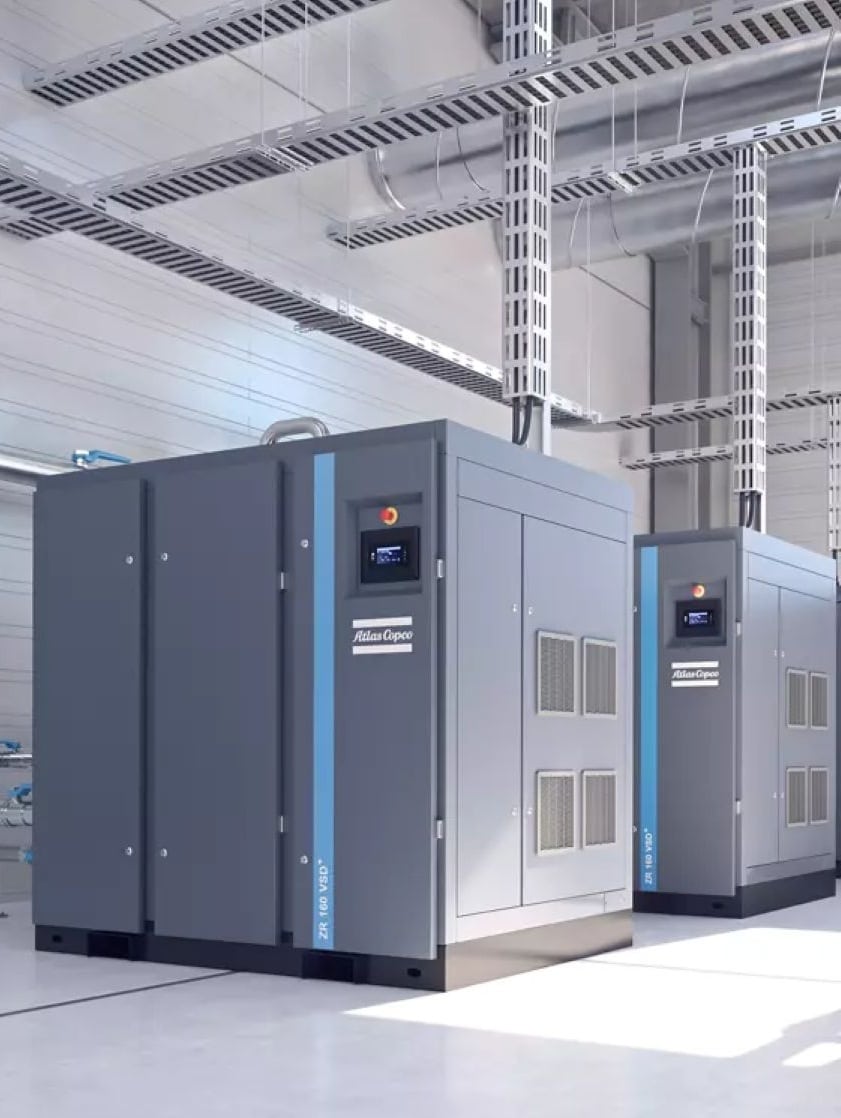
The full value of air compressors for agriculture is realised with a professional partner focused on reliability and efficiency. As an Atlas Copco Premier Distributor, Control Gear provides end-to-end management of your farm's fourth utility. Based in South Wales, our team provides fast, reliable support to farms across Carmarthen, Welshpool, and beyond, whether you need installation, servicing, or emergency repair. A scheduled air compressor servicing plan with us ensures you remain PSSR compliant, maximises uptime, and extends the life of your equipment. Control Gear offers a range of solutions to meet the diverse needs of the agriculture industry.
Why is Compressed Air Important for Farming and Agriculture?
Compressed air plays a vital role in modern farming and agriculture, powering a wide range of equipment and processes. From operating pneumatic tools in workshops to powering robotic milking systems, compressed air provides a reliable and efficient energy source. Its versatility makes it an indispensable part of many agricultural operations.
What are Common Air Compressor Problems on Farms, and How Can You Troubleshoot Them?
Like any mechanical equipment, air compressors on farms can experience problems. Common issues include pressure drops, leaks, unusual noises, and overheating. Troubleshooting these problems often involves checking for leaks in hoses and fittings, ensuring proper ventilation, and maintaining the air filter. Regular maintenance can help prevent many of these issues.
How Can You Maintain Your Air Compressor for Peak Performance: A Farmer's Checklist
Regular maintenance is essential for ensuring the longevity and efficient operation of your farm air compressor. A farmer's checklist should include daily tasks like draining moisture from the tank, weekly checks for leaks and unusual noises, and monthly inspections of the air filter and oil levels (if applicable). Following this checklist will help prevent downtime and costly repairs.
What are Air Compressor Safety Best Practices for Agricultural Environments?
Safety should always be a top priority when operating air compressors in agricultural environments. Best practices include wearing appropriate personal protective equipment (PPE) such as safety glasses and ear protection, ensuring proper ventilation, and never exceeding the compressor's maximum pressure rating. Regularly inspect pressure relief valves and follow all manufacturer's instructions to prevent accidents.
How Can You Reduce Costs and Improve Energy Efficiency with Agricultural Compressed Air Systems?
Improving energy efficiency and reducing costs are key considerations for any farm operation. Using a Variable Speed Drive (VSD) compressor can significantly reduce electricity consumption by adjusting to fluctuating air demands. Regular maintenance, leak detection, and using energy-efficient accessories can further optimise performance and lower operating costs.
What Types of Air Treatment are Available for Agricultural Air Compressors?
Air treatment is crucial for ensuring the quality of compressed air used in agricultural applications. Options include air dryers to remove moisture, filters to remove contaminants like oil and dust, and regulators to maintain consistent pressure. Choosing the right air treatment components can protect equipment, improve product quality, and ensure compliance with safety standards.
Why Work With Us?
Frequently Asked Questions
Do I need an oil-free air compressor on a farm?
If your compressed air system touches food, feed or packaging materials, you need an oil-free air compressor to avoid contamination and to comply with regulations.
How big an air compressor do I need on a farm?
Size is determined by your particular application. You will need to consider what equipment it will be running (milking equipment, pneumatic tools, crop sprayers, etc.), how many will be operating at once, and if you have any plans for future expansion. The only way to ensure you don’t overspend on an unnecessarily large unit – or under-buy and lack power – is to get a professional system audit. We can work out your exact air requirements and recommend the most efficient model for your operation.
How often should a farm’s air compressor be serviced?
Regular servicing is key to both reliability and compliance. Under PSSR 2000, most systems will need to operate to a formal inspection schedule. The frequency will vary depending on the type of compressor you have and how many hours per week it is running, but the best way to ensure maximum uptime, safety and a long equipment life is a professional preventative maintenance plan.
Ready to optimise your farm’s compressed air system?
Contact Control Gear today to book a free audit, speak to our certified engineers, or request a tailored quote for your agricultural operation.